

How to Store Paint: Keeping Leftover Paint Usable for Touch-Ups and Future Projects
by 10 Federal Storage
Published on March 27, 2026
Paint is expensive, and leftover cans from home improvement projects represent real value, but only if they're stored correctly. Improperly stored paint separates, skins over, freezes, or grows mold, leaving you with an unusable mess. This guide covers how to store both latex and oil-based paints to keep them fresh for future touch-ups and projects.
Why Proper Storage Matters
A quality gallon of interior paint can cost $40–$80 or more. Premium designer colors can cost even more, and some discontinued colors or custom mixes cannot be remixed exactly. Storing your leftover paint properly gives you a ready supply for touch-ups, a reference for future color matching, and the ability to reuse quality paint rather than buying new.
Improperly stored paint doesn't just go bad, it can leak and stain shelving, emit fumes in enclosed spaces, and become a disposal problem. Many municipalities have strict rules about paint disposal, and improper disposal of oil-based paints is illegal.
Storage Tips: Step-by-Step
- Clean the rim of the paint can before resealing, dried paint in the rim prevents a tight seal and allows air in, causing the paint to skin over.
- Seal the can tightly using a rubber mallet around the entire rim, don't just press the center of the lid, which can leave gaps at the edges.
- Store latex paint cans upside down, this creates an airtight seal with the paint itself and prevents a skin from forming on the surface.
- Label each can with the room it was used in, the color name and number, the brand, and the date.
- Store paint in a cool, dry location that won't freeze. Latex paint is ruined by freezing and cannot be fully restored after it has frozen.
- Avoid storing paint in a garage or shed in climates where temperatures regularly drop below freezing, or where summer heat regularly exceeds 90°F.
- Transfer small amounts of leftover paint to smaller, tightly sealed containers (mason jars work well) to reduce air space above the paint.
- Before using stored paint, stir it thoroughly and strain through a paint strainer if any skin has formed on the surface.
Storing Paint in a Storage Unit
Can You Store Paint in a Self-Storage Unit?
Latex paint can be stored in a self-storage unit with important caveats about temperature. Oil-based paints and oil-based stains are classified as flammable liquids and are prohibited in most self-storage facilities, always confirm with your facility before storing any oil-based product.
For latex paint, the primary concern is temperature: freezing destroys latex paint permanently, and sustained heat above 90°F accelerates degradation. A climate-controlled unit solves both problems.
Do You Need a Climate-Controlled Unit for Paint Storage?
Yes, a climate-controlled unit is strongly recommended for latex paint storage. This is especially critical in climates where temperatures drop below 32°F in winter (which would freeze and ruin latex paint) or regularly exceed 90°F in summer (which accelerates skin formation and degradation). A climate-controlled unit maintains conditions in the 55–80°F range year-round, keeping paint viable for its full shelf life.
How to Organize Paint in a Storage Unit
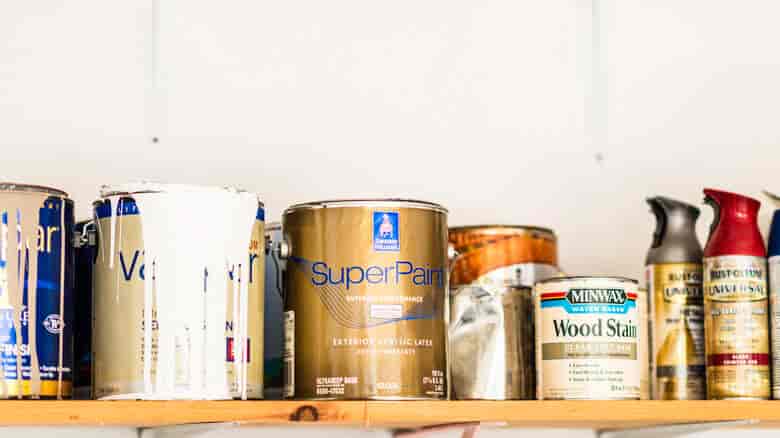
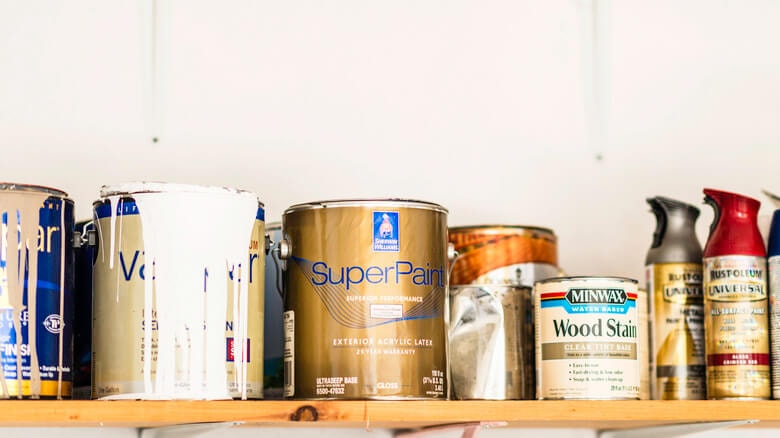
Store paint cans upright on a dedicated shelf, never on the floor where they're more vulnerable to moisture, accidental tipping, and freezing cold in winter. Group cans by room or project, and label each shelf section accordingly: 'Living Room / Beige,' 'Master Bedroom / Gray,' and so on.
Keep a master list, taped to the inside of the unit door or saved on your phone, of which cans are which color, what room they're for, and when they were opened. This turns your storage unit into a quick-reference paint library for your entire home.
What Size Unit Do You Need for Paint Storage?
Paint storage alone requires very little space. For most homeowners storing leftover renovation paint, a shelf within a 5x5 unit is plenty. If storing paint during a full home renovation alongside furniture and other items, incorporate paint cans into a larger unit (10x10 or larger) on a dedicated shelf away from foot traffic.
Quick-Reference: Paint Storage Unit Checklist
- Latex paint only, oil-based paint is typically prohibited in storage units
- Climate-controlled unit required to prevent freezing and heat degradation
- Store cans upright on shelving, never on the floor
- Label each can with color, room, brand, and date
- Keep a master paint inventory list for easy reference
- Seal cans tightly before storage to prevent skinning
Store with Confidence at 10 Federal Storage
At 10 Federal Storage, we're happy to answer questions about what can be stored in our units and under what conditions. Our team will work with you to find the right storage solution for your home renovation or project needs.
From single-room projects to full home renovations, we see customers at every stage of the home improvement journey. Stop by today and let us help you find the right unit.
Ready to get started? Rent with us online or stop by your nearest 10 Federal Storage location today.
About 10 Federal Storage
10 Federal Storage provides premier self-storage solutions with state-of-the-art security, climate-controlled units, and flexible rental terms. Contact us today to find the perfect storage solution for your needs.
About the Author
10 Federal Storage
Our team at 10 Federal Storage has been in the self storage industry for decades. With knowledge gained from multiple universities and in the field, we are well-prepared and excited to assist with your storage needs. When you rent a unit with us, you can feel confident that our seasoned customer service team’s help will make your transition as seamless as possible. Customer satisfaction is our number one priority, and we strive to make your experience exceptional with our automated leasing options, diverse unit sizes, and a strong commitment to sustainability.