

How to Store Water Long Term: A Practical Emergency Preparedness Guide
by 10 Federal Storage
Published on March 26, 2026
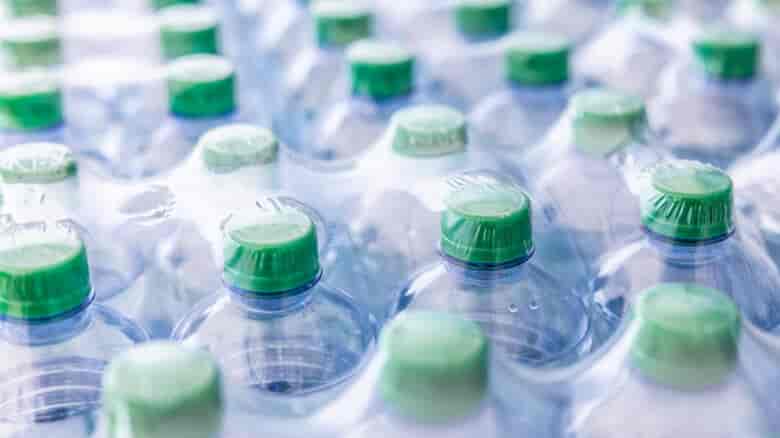
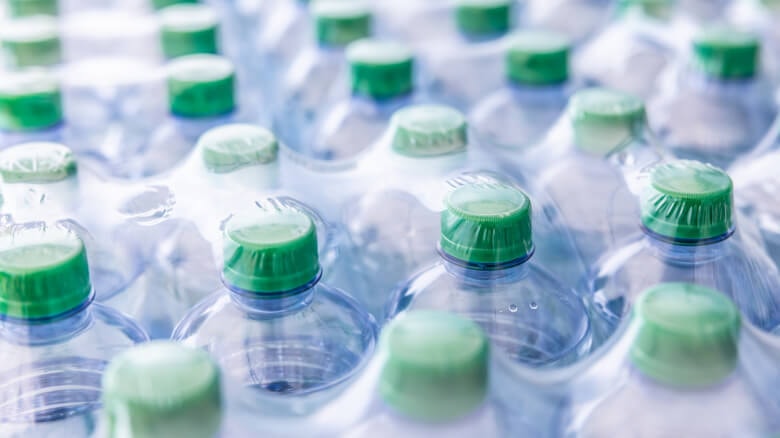
Clean drinking water is the most critical resource in any emergency situation. Whether you're preparing for a hurricane, power outage, natural disaster, or simply building a robust emergency supply, knowing how to store water long term is an essential survival skill. This guide walks you through the right containers, locations, and rotation schedules to keep your water supply safe and ready.
Why Proper Storage Matters
The Federal Emergency Management Agency (FEMA) recommends storing at least one gallon of water per person per day, enough for at least three days of drinking and sanitation, though two weeks is the preferred target for serious emergency preparedness. In a real emergency, municipal water systems can fail for extended periods, making your stored supply potentially life-saving.
Water itself doesn't expire, but the containers it's stored in can degrade, leach chemicals, or allow contamination to enter over time. Storing water improperly can leave you with a supply that's unsafe to drink exactly when you need it most.
Storage Tips: Step-by-Step
- Use food-grade, BPA-free containers specifically rated for water storage. Look for containers marked with a #2 HDPE recycling symbol.
- Choose opaque or dark-colored containers, light promotes algae growth inside the container.
- Fill containers from a safe, treated municipal water source. If using tap water, no additional treatment is necessary for short-term storage.
- For long-term storage beyond 6 months, add unscented liquid chlorine bleach at a rate of 8 drops per gallon, then seal tightly.
- Store water in a cool, dark location, away from pesticides, gasoline, or cleaning chemicals, which can permeate plastic containers.
- Keep water off concrete floors, which can leach chemicals into the containers; use wooden pallets or shelving instead.
- Label each container with the fill date and rotate your supply every 6–12 months for tap water, or per manufacturer recommendations for commercially sealed containers.
- Store in containers you can actually carry, a 55-gallon drum is great for volume, but you'll also want smaller 5-gallon or individual bottles for portability in an emergency.
Storing Water in a Storage Unit
Can You Store Emergency Water in a Storage Unit?
Yes, a storage unit is a practical solution for families maintaining a larger emergency water supply (30–90 days) that exceeds what can be stored at home. It is especially useful for larger households, those in hurricane or disaster-prone areas, or anyone participating in community preparedness programs.
Do You Need Climate Control for Water Storage?
Climate control is preferred. Extreme heat causes plastic containers to off-gas and degrade more quickly, and even treated water can become unsafe in consistently hot environments. Aim to keep stored water below 70°F when possible. In climates with very hot summers, a climate-controlled unit prevents the thermal cycling that shortens container life and affects water quality.
What Size Storage Unit Do You Need for Emergency Water?
A 5x5 unit can hold a meaningful emergency supply, approximately 8–10 five-gallon containers or a pair of 30-gallon barrels along with other preparedness items. For a full two-week supply for a family of four (112 gallons minimum), a 5x10 unit provides enough space for water containers, food, and gear organized efficiently on shelving.
How to Organize an Emergency Preparedness Unit
Store water containers on pallets or shelving, never directly on concrete, which can leach trace chemicals into plastic over time. Organize your unit as a complete emergency resource: water toward the back (heaviest), shelf-stable food on shelving units, and portable gear like flashlights, first aid kits, a battery-powered radio, and important documents near the front for fast access.
Label every container with the fill date and a rotation schedule so the supply stays fresh. A laminated inventory checklist on the inside of the unit door makes it easy to keep track of what you have and what needs refreshing.
Quick-Reference: Emergency Water Storage Unit Checklist
- Use food-grade #2 HDPE containers, labeled with fill date
- Climate-controlled unit preferred for water storage
- Elevate containers off the floor on pallets or shelving
- 5x10 unit fits a 2-week supply for a family of 4 plus gear
- Rotate water supply every 6–12 months
- Store alongside first aid, food, and emergency documents for a complete kit
Store with Confidence at 10 Federal Storage
At 10 Federal Storage, we support our community's safety and preparedness. Our storage units provide a secure, accessible location for emergency supplies including water, food, and gear. Whether you need a small unit for a starter supply or a larger space for a comprehensive family preparedness cache, we have the right solution.
Ask our team about ground-floor and drive-up access units, perfect for storing heavier emergency supplies like water containers and generators. We're proud to serve our community and help families stay ready for whatever comes their way.
Ready to get started? Rent with 10 Federal Storage online today or stop by your nearest 10 Federal Storage location.
About the Author
10 Federal Storage
Our team at 10 Federal Storage has been in the self storage industry for decades. With knowledge gained from multiple universities and in the field, we are well-prepared and excited to assist with your storage needs. When you rent a unit with us, you can feel confident that our seasoned customer service team’s help will make your transition as seamless as possible. Customer satisfaction is our number one priority, and we strive to make your experience exceptional with our automated leasing options, diverse unit sizes, and a strong commitment to sustainability.