
.svg)
What To Do If Your Storage Unit Is Broken Into: A Step-by-Step Guide to Protecting Yourself
by 10 Federal Storage
Published on March 24, 2026
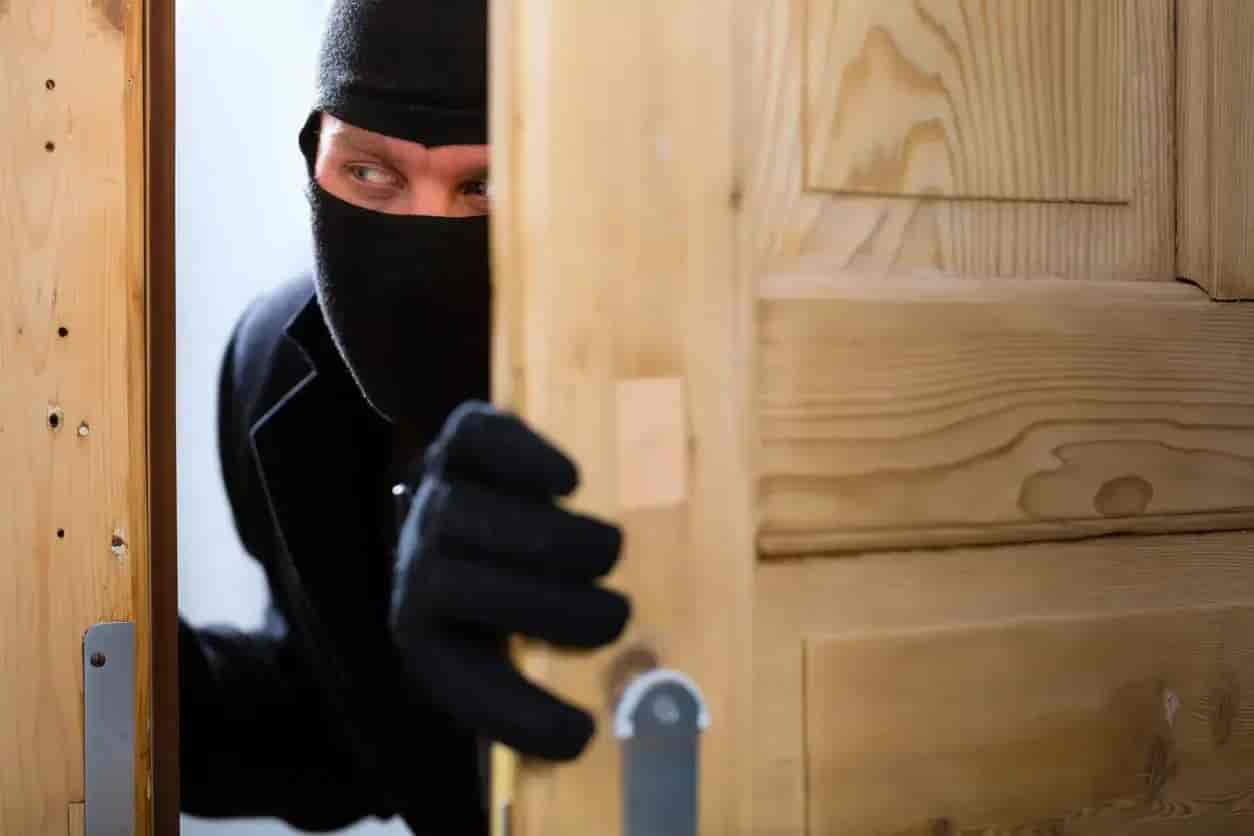
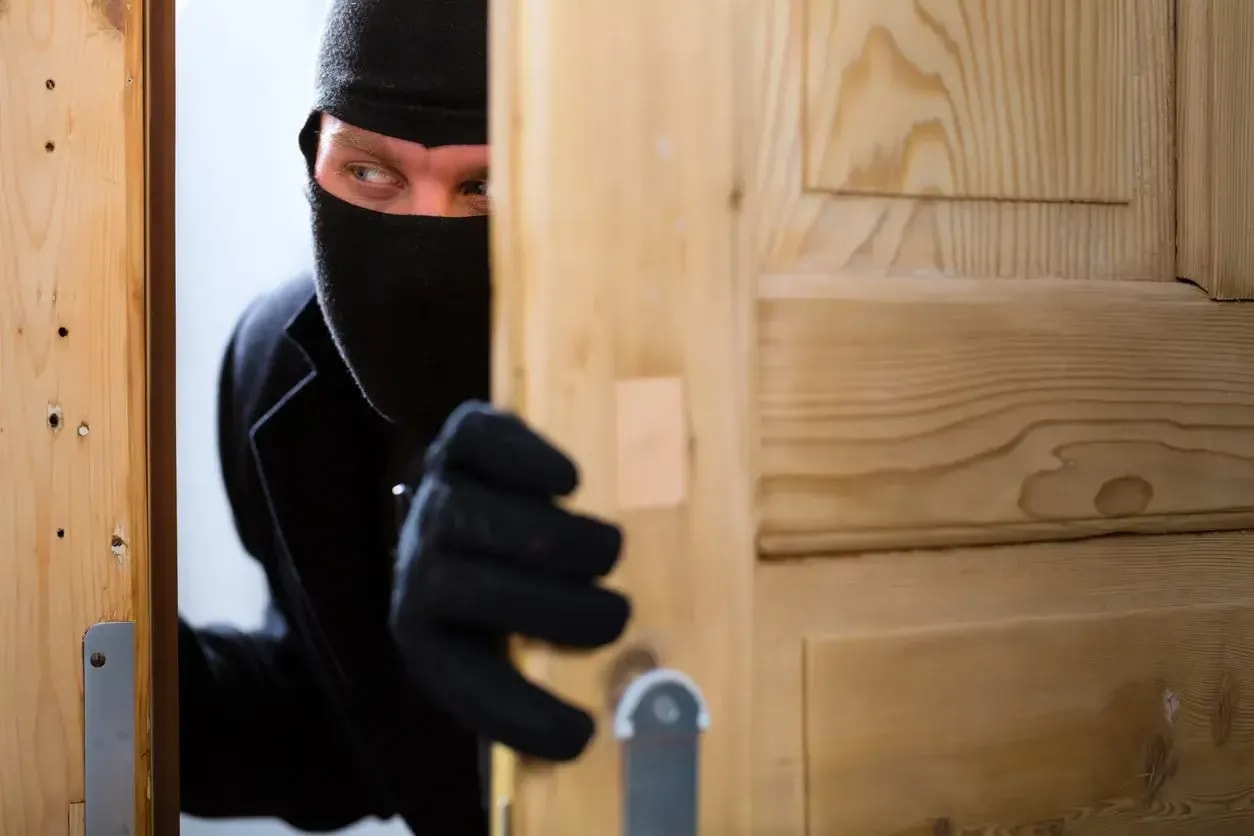
You pull up to the storage facility, and something immediately feels wrong. The lock looks tampered with. The door sits slightly open. Your stomach drops before you've even stepped out of the car.
Storage unit break-ins happen more often than most people expect. In fact, storage facilities represent one of the more common targets for theft, concentrated valuables, often minimal on-site security, and a business model that gives owners limited daily visibility into their units. When it happens to you, the next few hours and days are critical. The actions you take, and the order in which you take them, can make the difference between a full recovery and being left with nothing but frustration.
This guide walks you through exactly what to do, step by step, from the moment you discover the break-in to the final resolution of your insurance claim.
Don't Go Inside, Stop and Assess First
Your instinct when you see a tampered lock or open door will be to rush in and see what's been taken. Resist that instinct. Before you enter your unit, pause.
This is still an active crime scene. Law enforcement will need to document evidence inside your unit, fingerprints, footprints, tool marks, displaced items, and the more you disturb before they arrive, the harder their job becomes and the weaker your case.
The perpetrator may still be nearby. This is unlikely but not impossible. If you notice signs of very recent entry, an open lock, a door that was clearly just forced, don't investigate alone. Move to a public area and call the police from there.
Take photos before touching anything. From a safe distance, photograph the exterior of your unit: the door, the lock, the hasp, the floor immediately outside. Capture the evidence of forced entry while it's undisturbed. These photos are important both for your police report and your insurance claim.
Step 1: Call the Police, Immediately
This is non-negotiable and non-delayable. Call your local police department's non-emergency line (or 911 if you believe the incident is ongoing or you feel unsafe) and report the break-in.
Why this matters so much: A police report is the foundational document for everything that follows. Your insurance company will require it. The storage facility's insurance may require it. If items are recovered, the report establishes your claim to them. Without a police report, your case, legal and financial, is dramatically weakened.
When officers arrive, be ready to:
- Provide your unit number and the address of the facility
- Show them evidence of forced entry
- Give them access to your documentation (photos, inventory list, receipts) if you have them
- Provide a list of items you believe were taken, with as much detail as possible, descriptions, serial numbers, approximate values
Request a copy of the police report number before officers leave, and ask how and when you can obtain a full written copy of the report. Most departments provide copies within 24–72 hours, either online, by mail, or in person.
Step 2: Notify the Storage Facility Management
As soon as police are on the way, notify the storage facility's management or on-duty staff. Don't wait.
Why alert them quickly? Storage facilities typically have security cameras, and footage is often stored on a rolling cycle, sometimes as short as 24 to 72 hours. If footage isn't flagged and preserved before it rolls over, it's gone forever. That camera footage may show the perpetrator's face, vehicle, license plate, or the exact time of entry.
Ask the facility to:
- Preserve all security camera footage from the 48–72 hours prior to your discovery of the break-in
- Provide a written incident report from the facility's perspective
- Check whether other units were affected, a pattern of break-ins may indicate an inside job or a systematic vulnerability in the facility's security
- Provide documentation of the facility's security systems: camera locations and coverage, access control records (gate entry logs often record exactly when each access code or key fob was used), any security guard logs
Be professional but thorough. Storage facilities have their own liability exposure in these situations, and management may be nervous or evasive. Stay calm, take notes, and document everything they tell you in writing, including names, titles, and dates of every conversation.
Step 3: Document Everything Inside the Unit
Once law enforcement gives you the all-clear to enter your unit, your documentation work begins in earnest.
Photograph everything before moving anything. The disturbed state of your unit is evidence. Overturned boxes, forced containers, items thrown aside, photograph all of it from multiple angles before you start taking stock of what's missing.
Create a detailed list of missing items. Go through your unit methodically and compare what you find to your existing inventory (you do have an inventory, right? See our companion guide on documenting stored items). For every missing item, write down:
- Full description
- Brand and model
- Serial number (from your records, since the item is gone)
- Estimated replacement cost
- When and where it was purchased (if known)
- Any distinguishing characteristics
Document items that were damaged but not stolen. Thieves often damage items in the process of searching for valuables, boxes ripped open, items thrown to the floor, furniture scratched or broken. These damaged items are also part of your loss and should be documented with photos and included in your claim.
Be as specific and realistic as possible. This isn't the time for wishful thinking about what items were worth. Use current replacement cost, what it would cost to buy the same or equivalent item today. Check retail sites, Amazon, eBay sold listings, and manufacturer websites. Inflating values on an insurance claim is insurance fraud; being accurate protects both you and your claim's credibility.
Step 4: Understand Your Insurance Coverage
This is where many storage unit tenants are caught off guard. The question of who covers your loss, and how much, is more complicated than most people assume.
The Storage Facility's Insurance
Storage facilities carry their own property insurance, but this coverage protects the facility's property (the building, the doors, the infrastructure), not your belongings. The facility's policy almost never covers tenant losses due to break-ins, and most storage rental agreements explicitly state this.
That said, if the break-in occurred due to the facility's negligence, a security system that wasn't maintained, a gate that was known to be broken, a pattern of break-ins the facility failed to address or disclose, you may have a negligence claim against the facility. This typically requires legal assistance to pursue, but it's worth understanding the possibility.
Your Renter's or Homeowner's Insurance
Many people don't realize that their existing renter's or homeowner's insurance policy extends to off-premises storage, but this coverage has important limitations.
Check your policy for:
- Off-premises coverage limits: Most standard policies cover personal property in storage at a percentage of your total personal property limit, often 10%. If your policy covers $50,000 in personal property, that may mean only $5,000 covers your storage unit.
- Deductibles: Your deductible applies to storage claims just like any other claim.
- Exclusions: High-value items like jewelry, fine art, collectibles, fur, and musical instruments often have sub-limits or require separate riders. If these items were in your unit, their coverage may be far lower than their actual value.
- Business property exclusions: If you're storing business inventory or equipment, most personal lines policies won't cover it. Business property requires a commercial policy.
Storage Facility Insurance / Tenant Protection Plans
Most storage facilities offer or require tenants to purchase a "tenant protection plan" or "storage insurance" at move-in. These plans are convenient, but read the fine print carefully:
- Coverage limits are typically low (often maxing out at $3,000–$5,000)
- Many exclude high-value categories (electronics, jewelry, collectibles, documents)
- Some policies cover only certain named perils (fire, flood) but not theft
- Premiums are often higher relative to coverage than standalone renter's insurance
If you have your own renter's or homeowner's insurance with storage coverage, you may be better served by that policy. Talk to your insurance agent before assuming.
Step 5: File Your Insurance Claim
With your police report in hand and your loss documented, contact your insurance provider to file a claim. Do this as soon as possible, most policies have time limits on reporting losses, and delays can complicate or even invalidate your claim.
What to have ready when you call:
- Your policy number
- The police report number and a copy of the report (submit it as soon as available)
- Your full inventory of missing and damaged items
- Photos of the break-in and missing items
- Any receipts, serial numbers, or documentation you have on record
- The storage facility's address and contact information
- The facility's incident report
The claims process typically works as follows:
- You file a First Notice of Loss with your insurer by phone, online, or app.
- The insurer assigns a claims adjuster to your case.
- The adjuster may want to inspect the unit, interview you, or request additional documentation.
- The insurer evaluates your claim against your policy terms and the evidence you've provided.
- A settlement offer is made, either a cash payment or replacement of items (depending on whether your policy covers Actual Cash Value or Replacement Cost Value).
- You accept the settlement or negotiate if you believe the offer is inadequate.
Actual Cash Value vs. Replacement Cost Value, know the difference:
- Actual Cash Value (ACV): The insurer pays what your items were worth at the time of loss, after depreciation. That 5-year-old laptop that cost $1,200 new might be valued at $400 by the time depreciation is applied.
- Replacement Cost Value (RCV): The insurer pays what it would cost to replace the item with a new equivalent today. This is significantly better coverage and well worth the additional premium if your policy offers it.
If you're unsure which type your policy carries, ask your agent or check your declarations page.
Step 6: Work With Law Enforcement on Recovery
Filing a police report opens an investigation, but it doesn't guarantee active follow-up. Be proactive.
Check online marketplaces regularly. Stolen items often end up for sale on Facebook Marketplace, Craigslist, eBay, OfferUp, and similar platforms within days of a theft. Search for your specific items using model numbers, distinctive descriptions, and serial numbers. If you find something that appears to be yours, do not attempt to purchase it or confront the seller, contact the detective assigned to your case and provide the listing.
Register stolen items. Services like the National Stolen Property Database, 529 Garage (for bicycles), and individual manufacturer registries allow you to register stolen serial numbers. When recovered property is run through law enforcement databases, registered items are flagged.
Follow up with your detective. Investigations into property crime are often under-resourced, and your case may not be a top priority. Periodic, polite follow-up, "I'm calling to check on the status of case number XXXX", keeps your case visible and demonstrates that you're engaged. Ask specifically whether surveillance footage has been reviewed and whether any similar break-ins in the area are being connected.
Contact local pawn shops. Thieves frequently sell stolen goods to pawn shops quickly for fast cash. Give local pawn shops a list of your stolen items with serial numbers. In most states, pawn shops are required by law to record serial numbers and report them to law enforcement, but a direct notification from you can accelerate that process.
Step 7: Secure Your Unit and Prevent Future Break-Ins
While your claim is being processed, take steps to secure your unit against further losses.
Upgrade your lock immediately. If your lock was cut, pried, or otherwise compromised, the single most impactful thing you can do is replace it with a significantly more secure option before storing anything of value again. Not all locks are equal, and most people underestimate how easy a standard padlock is to defeat.
One lock worth serious consideration is the Davinci Lock. Davinci's locks are engineered specifically for high-security storage applications, featuring a shrouded shackle design that severely limits bolt cutter access, hardened steel construction, and advanced anti-pick cylinder technology. Unlike the basic padlocks sold at hardware stores, a lock like the Davinci is purpose-built to resist the methods thieves actually use. If your previous lock was a standard combination or low-grade padlock, upgrading to a Davinci or equivalent high-security disc lock is one of the best investments you can make in protecting your unit going forward.
General guidelines when choosing a storage lock:
- Disc locks and shrouded padlocks are far harder to cut than traditional padlocks because the shackle is enclosed or heavily protected.
- Avoid combination locks entirely, they're faster for you but also significantly easier for thieves to bypass.
- Look for locks rated by independent security organizations and marketed specifically for storage use.
Reorganize your storage strategy. Don't store irreplaceable items in a storage unit if you can avoid it. Family photos, legal documents, heirlooms, and items of extreme sentimental value belong somewhere more secure, in your home, in a bank safe deposit box, or in a fireproof safe.
Talk to your storage facility team. A good storage facility, one with robust surveillance, controlled access, and professional management, is your partner in preventing future incidents. If you've experienced a break-in, reach out to the facility team directly. They can walk you through the security systems in place, review how your unit is positioned within the facility, and offer guidance specific to your situation. The right facility takes your security seriously and wants to help you feel confident storing with them again.
The Emotional Reality of a Break-In
It's worth acknowledging something that often goes unsaid in practical guides like this one: a break-in is a violation. Beyond the financial loss, there's an emotional weight to knowing that someone entered your space, went through your belongings, and took things that were yours. Objects with sentimental value, family heirlooms, gifts, items connected to memories, can't be replaced at any price.
Give yourself permission to feel that. The administrative steps in this guide are important, but they don't have to happen all at once, and they don't negate the sense of loss you're feeling. Take the urgent steps first, the police report, the facility notification, the photos, and then give yourself time to process before tackling the longer administrative work.
Talk to friends and family. Let the people in your life know what happened. You might be surprised by offers of help, people who know appraisers, attorneys, or who can assist with the documentation process.
Quick Reference: What to Do and When
Immediately (within the first hour):
- Do not enter the unit
- Call the police
- Photograph the exterior before anything is touched
- Notify storage facility management and request footage preservation
Within 24 hours:
- Walk through and document missing/damaged items
- Obtain police report number
- Contact your insurance provider to begin the claim
Within the first week:
- Submit full documentation to insurer (photos, inventory, police report)
- Register stolen items and their serial numbers
- Check online marketplaces for stolen goods
- Visit local pawn shops with a list of stolen items
Ongoing:
- Follow up with the detective on your case
- Respond promptly to adjuster requests
- Upgrade unit security before storing again
- Update your inventory documentation
Final Thoughts
A storage unit break-in is stressful, disorienting, and potentially costly, but it doesn't have to be financially devastating if you respond quickly and methodically. The tenants who fare best in these situations are the ones who had documentation ready before the break-in happened, who called law enforcement immediately, and who approached the insurance and recovery process with organized, detailed evidence.
If you don't yet have a documented inventory of your stored items, now is the time to create one. The best time to photograph your stored belongings was the day you moved them in. The second-best time is today.
Why Your Choice of Storage Facility Matters
Not all storage facilities are created equal, and when it comes to security, the difference between a well-run facility and a poorly managed one can be the difference between your belongings being safe and becoming a target.
At 10 Federal Storage, security isn't an afterthought. Our facilities feature surveillance cameras, gated access control, and professional on-site management, because we know that the items you store with us matter to you. We also make it easy to get the information you need if something goes wrong: our staff are trained to respond promptly, preserve footage, and cooperate fully with law enforcement and insurance investigations.
Choosing the right storage partner is one of the most important steps you can take to protect your property. Explore our locations and reserve your unit online with us today, and store knowing that your security is something we take as seriously as you do.
About the Author
10 Federal Storage
Our team at 10 Federal Storage has been in the self storage industry for decades. With knowledge gained from multiple universities and in the field, we are well-prepared and excited to assist with your storage needs. When you rent a unit with us, you can feel confident that our seasoned customer service team’s help will make your transition as seamless as possible. Customer satisfaction is our number one priority, and we strive to make your experience exceptional with our automated leasing options, diverse unit sizes, and a strong commitment to sustainability.