
.svg)
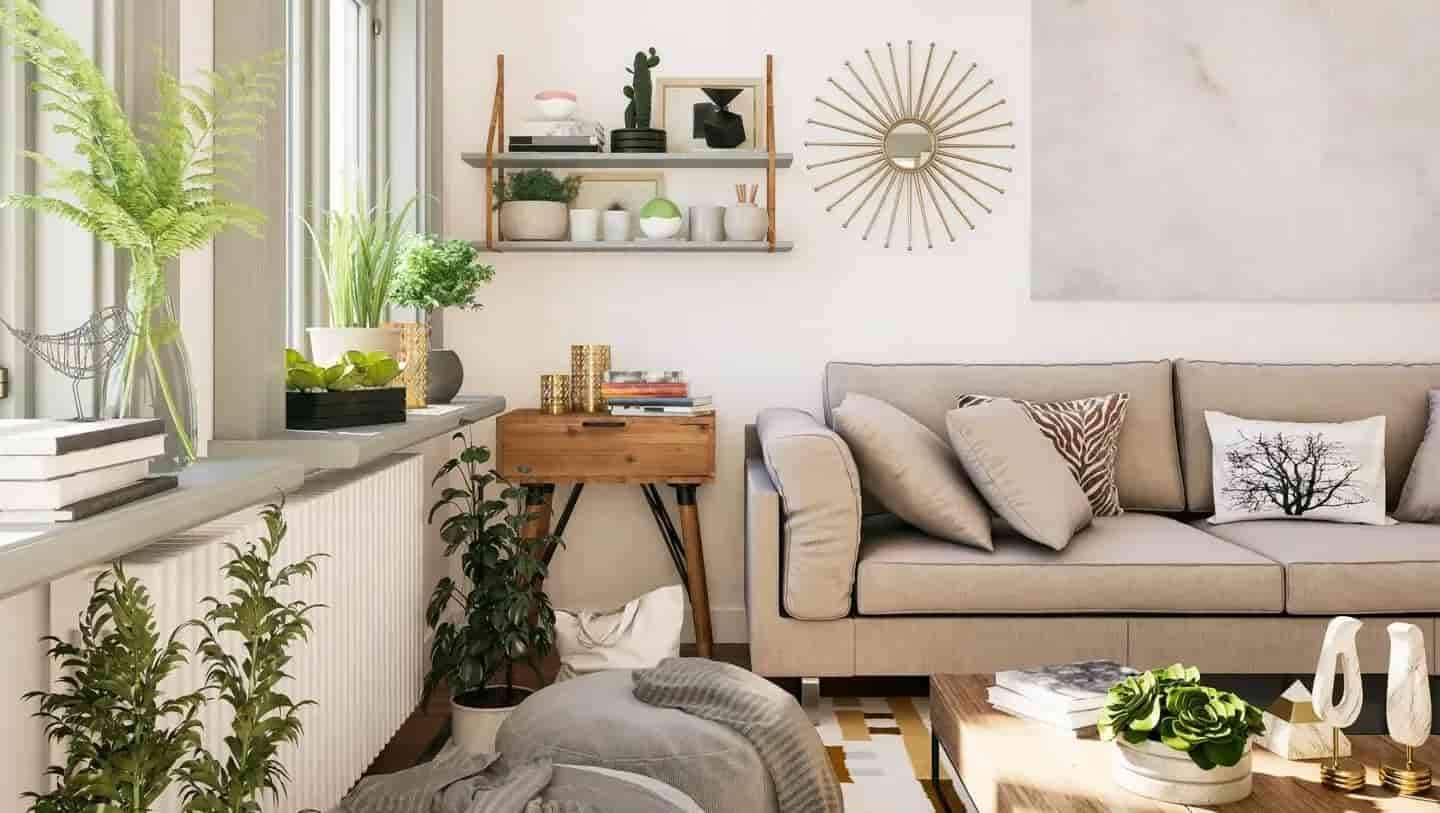
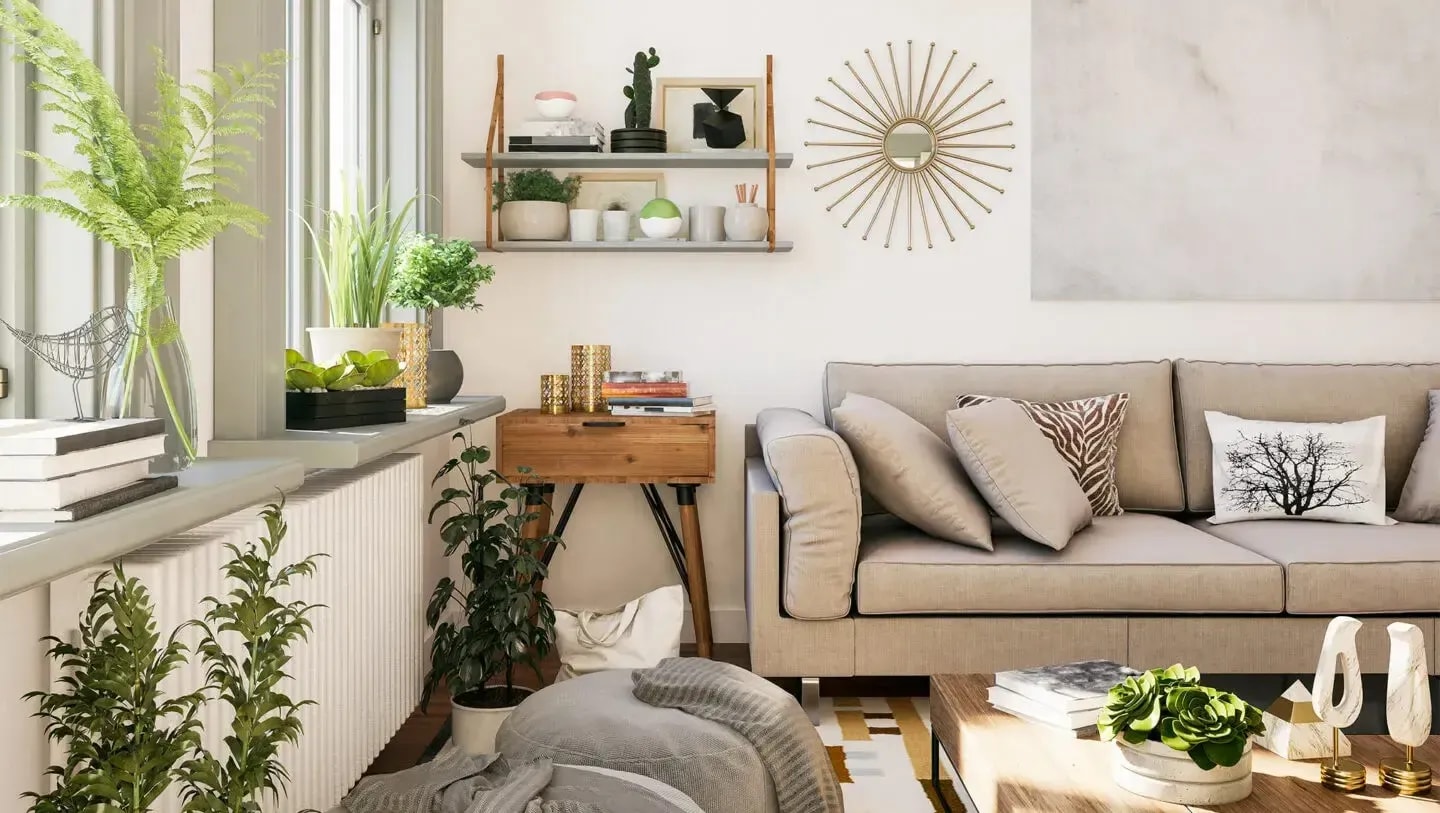
Apartment Living Room Ideas: Small-Space Design, Layout, and Living Smart
by 10 Federal Storage
Published on May 19, 2026
An apartment living room is a small space asked to do big things. It’s where you watch TV, host friends, eat dinner, sometimes work, sometimes work out, and occasionally welcome an overnight guest. Done well, it manages all of that without feeling cramped. Done poorly, it feels like a storage unit you happen to live in.
This guide pulls together apartment living room ideas that actually work in small spaces: layout strategies for tight square footage, multi-functional furniture, decor that makes a small room feel bigger, smart organization, and the practical question every apartment dweller eventually faces: where does all the stuff go that you don’t want in the living room but can’t throw away?
Table of Contents
- Apartment Living Room Layout Ideas
- Multi-Functional Furniture Ideas
- Small-Space Design Tricks
- Decor Ideas for Apartment Living Rooms
- In-Apartment Organization Ideas
- The Real Problem: Stuff That Doesn’t Belong in the Living Room
- Offsite Storage as the Quiet Solution
- Storage Size Guide for Apartment Dwellers
- Frequently Asked Questions
Apartment Living Room Layout Ideas
Apartment living rooms are usually defined by their constraints, one good wall for the TV, an awkwardly placed entry door, a window that limits where furniture can go. The layouts that work treat constraints as the starting point, not the problem.
- Float the sofa, even slightly. Pushing the sofa just 6–12 inches away from the wall creates a sense of depth that hugging the wall doesn’t. Even tight rooms read as bigger when furniture has breathing room.
- Define zones with rugs. A single rug under the sofa and coffee table anchors the room and visually separates the living zone from a dining or work area. In a studio, rugs are the cheapest way to create “rooms.”
- Furniture facing in, not at the TV. Counterintuitive but powerful. A pair of chairs facing the sofa with the TV off to the side creates a conversation-first room that’s still TV-watchable.
- L-shaped sectionals over loveseats. A sectional that wraps a corner gives more seating in less floor space than two separate pieces.
- Use the diagonal. Angling a sofa or chair across a corner adds dynamic movement to a square room and often creates hidden storage space behind it.
- Keep traffic paths clear. 30–36 inches between major pieces. Cramming furniture in until there’s no walking space makes a room feel half its size.
Multi-Functional Furniture Ideas
In a small space, every piece should pull double duty.
- Storage ottomans. Coffee table, footrest, extra seating, and a hidden compartment for blankets and remotes. The single most useful piece of small-apartment furniture.
- Sleeper sofas or daybeds. Sofa by day, guest bed by night. Modern sleeper sofas have gotten dramatically more comfortable than the spring-loaded contraptions of the past.
- Lift-top coffee tables. The top lifts to laptop height, turning the coffee table into a desk for working from the sofa.
- Nesting side tables. Two or three small tables that tuck together when not needed, pull apart when guests come over.
- Console tables with storage. Behind the sofa or under a wall-mounted TV, a narrow console with drawers adds storage without footprint.
- Bookshelves as room dividers. In a studio or open-plan apartment, a tall open bookshelf divides spaces while adding storage and decor opportunity.
- Drop-leaf or wall-mounted dining tables. If your living room doubles as dining, a fold-down table opens for meals and disappears when not in use.
Small-Space Design Tricks
The visual tricks that make small rooms feel bigger work because they really do work, not just because they show up in every magazine.
- Light, cool wall colors. Whites, soft grays, pale blues, and warm off-whites bounce light and visually expand the room. Dark walls look cozy in photos and small in practice.
- One large mirror. Hung opposite a window, it doubles the apparent light and depth of the room. One large mirror beats three small ones.
- Higher curtain rods. Mount curtains close to the ceiling, not at the top of the window. The eye reads ceiling height as room size.
- Lift everything off the floor. Sofas with visible legs, side tables with open bases, wall-mounted shelves. Seeing the floor under furniture makes a room read as larger.
- Vertical storage and decor. Tall narrow bookcases beat short wide ones. Wall-mounted shelves use unused vertical space. Tall plants draw the eye up.
- Edit ruthlessly. A small room with five great pieces of decor reads as intentional. The same room with fifteen pieces reads as cluttered. Less but better.
- Layered lighting. A single overhead light makes a room feel like an institution. Add a floor lamp, a table lamp, and maybe a sconce. Layered light is the easiest upgrade in any apartment.
Decor Ideas for Apartment Living Rooms
Apartment decor often has to work within rental restrictions, no major paint, no nails over a certain size, no permanent changes. Plenty of ways to make a space yours within those rules.
- Statement art over a sofa. One large piece anchors the room better than a gallery wall in a small space. Renter-friendly: large damage-free adhesive strips hold most framed art up to 16 pounds.
- Peel-and-stick wallpaper. For an accent wall or behind a bookshelf. Comes off cleanly at move-out.
- Curtains, even on rented blinds. Soft fabric instantly residentializes a rental. Tension rods if you can’t install proper hardware.
- Plants of varying sizes. A tall floor plant, a medium tabletop plant, and a small hanging plant. Three levels add depth and life.
- Books as decor. A coffee table book that’s actually about something you love. Books on shelves arranged with intention, not jammed in randomly.
- Textiles for personality. A throw on the sofa, two or three coordinated pillows, a rug in a pattern you like. Textiles are the cheapest way to add character.
- One unexpected piece. A vintage chair, an oversized basket, an interesting lamp. One conversation piece makes a room memorable.
In-Apartment Organization Ideas
Daily-use organization is what keeps a small living room from sliding into chaos by Wednesday.
- A “drop zone” by the door. Hook for keys, small tray for mail, basket for shoes. Stops entryway clutter from migrating into the living room.
- Baskets for everything. One for blankets, one for remotes, one for toys if you have kids. Baskets contain visual chaos and make 30-second tidy-ups possible.
- A cable management box. Hides the tangle behind the TV and under the desk. Costs $15 and makes a permanent visual difference.
- Drawer organizers in every drawer. A coffee table drawer or console drawer turned into a junk drawer is fine; turned into a useful organized space is better.
- Hooks behind doors. Bathrobes, jackets, scarves. The back of a door is one of the most underused spots in an apartment.
- Designated screen-time spots. A laptop has a home (a tray, a shelf, a corner of the desk). A tablet has a home. Devices without homes wander into the middle of the coffee table.
The Real Problem: Stuff That Doesn’t Belong in the Living Room
Here’s the part that no amount of clever layout can solve.
You walk into your living room after work, and it just feels crowded. Not dirty, not disorganized, just, full. The bike that has to live next to the couch. The two giant bins of holiday decor on top of the bookshelf. The exercise gear in the corner you swore you’d use. The folding table that comes out when guests visit. The boxes of stuff from the last move that you’ve been meaning to deal with.
You don’t have a clutter problem. You have a square-footage problem.
Apartment living is a tradeoff: you trade space for location, flexibility, lower maintenance, and a different lifestyle. For most of the things you do every day, that tradeoff is great. But the things you do occasionally, host overnight guests, store seasonal stuff, hold onto sentimental items, keep gear for hobbies you do twice a year, those things compete for floor space they shouldn’t be competing for.
The mental cost is real (visual clutter raises stress), the functional cost is real (a room that does five jobs does none of them well), and the financial cost is real (you’re paying for apartment square footage at the highest rate in your city to store things you use twice a year).
Offsite Storage as the Quiet Solution
For most apartment dwellers, the gap between “own” and “have room for” is filled the same way: a small storage unit nearby, accessed a few times a year. The most common categories:
- Seasonal clothes, winter coats, ski gear, summer beach stuff
- Holiday decor, the artificial tree, the lights, the bins of ornaments
- Sports and outdoor gear, bikes, kayaks, camping gear, skis, surfboards
- Hobby equipment, golf clubs, photography gear, instruments you play occasionally
- Extra furniture, the futon that’s a backup, the dining set from the last apartment
- Sentimental and archival, boxes from childhood, college, family heirlooms, photo albums
- Guest gear, air mattress, extra linens, the folding table
Almost none of this needs to be in your home full-time. Most of it is used for a few weeks a year at most.
A real way to think about the math: if your apartment costs $2,400 a month and is 800 square feet, you’re paying $3 per square foot per month. A 50-square-foot storage unit (5x10) at, say, $80 a month is costing you $1.60 per square foot, almost half the rate of your apartment, with the added benefit that it doesn’t have to look nice.
A few practical notes for apartment dwellers using storage:
- Location matters more than for anyone else. A unit thirty minutes away becomes a black hole. A unit ten minutes away is one you can swing by on your way home.
- 24-hour access matters. You don’t have a garage to grab things from at 9 p.m. when you remember you need them.
- Climate control protects what apartment dwellers care about. Winter coats, books, photos, electronics, leather goods. Most of what you’d store benefits from steady temperature and humidity.
- Set a rotation rhythm. Twice a year for seasonal swaps. Before each holiday. Without rotation, the unit just becomes a slower version of the original clutter problem.
Storage Size Guide for Apartment Dwellers
Apartment dwellers usually don’t need a huge unit. A realistic look at what each size holds:
- 5x5, Holds 10–15 boxes of seasonal items, holiday decor, and a few small pieces. Best for studio and small one-bedroom apartments, overflow only.
- 5x10, Everything above plus a bike or two, sports gear, and a small piece of furniture. Best for most apartment renters, the sweet spot.
- 10x10, Fits a full bedroom’s worth of furniture plus seasonal storage. Best for storing larger furniture between moves, or outdoor gear like kayaks.
- 10x15, Holds a one- to two-bedroom apartment’s worth of contents. Best for between-leases situations or major downsizing.
Most apartment renters do well with a 5x10. It’s the cheapest size that fits a bike and the rest of your seasonal stuff comfortably.
Get Your Apartment Back
Apartment living is supposed to be light. Offsite storage is the small adjustment that makes that lifestyle actually work, the bike has a home, the holiday decor has a home, the ski gear has a home, and your living room goes back to being a living room.
Frequently Asked Questions
Light wall colors, one large mirror opposite a window, curtains hung high (closer to the ceiling than the window), furniture lifted off the floor on legs, and ruthless editing of decor. A small room with a few intentional pieces looks bigger than the same room packed with stuff.
Multi-functional pieces: a storage ottoman, a sleeper sofa or daybed, a lift-top coffee table, nesting side tables, and a console with storage. Each piece should do more than one job.
Float the sofa a few inches off the wall, define zones with rugs, keep 30–36 inches of traffic clearance between major pieces, and consider angling a sofa or chair across a corner instead of squaring everything to the walls.
For apartment dwellers, offsite storage is usually the answer. A 5x5 or 5x10 storage unit costs significantly less per square foot than apartment space and gives you somewhere to keep holiday decor, winter coats, sports gear, and guest items without filling closets you need for daily use.
A 5x10 climate-controlled unit typically runs $80–$150 per month. Adding 50 square feet to your apartment usually costs $150–$300 per month or more in most cities. Storage is significantly cheaper than upsizing for the same gain in usable space.
Yes, and it’s one of the most common apartment-dweller storage uses. A 5x10 unit fits one or two bikes plus seasonal items. Climate control is recommended to prevent rust on the chain and components.
No perishable food, no flammable or hazardous materials, no live plants or animals, no firearms or ammunition (at most facilities), and nothing illegal. Some facilities also restrict lithium-ion batteries.
If you set up a rotation system, expect to visit 4–8 times a year, twice for seasonal swaps, plus around holidays and hobby seasons. Without a system, you may visit once and forget about it, which is why location and access hours matter so much.
About the Author
10 Federal Storage
Our team at 10 Federal Storage has been in the self storage industry for decades. With knowledge gained from multiple universities and in the field, we are well-prepared and excited to assist with your storage needs. When you rent a unit with us, you can feel confident that our seasoned customer service team’s help will make your transition as seamless as possible. Customer satisfaction is our number one priority, and we strive to make your experience exceptional with our automated leasing options, diverse unit sizes, and a strong commitment to sustainability.