


Best Neighborhoods in Houston, TX
by 10 Federal Storage
Published on April 16, 2026
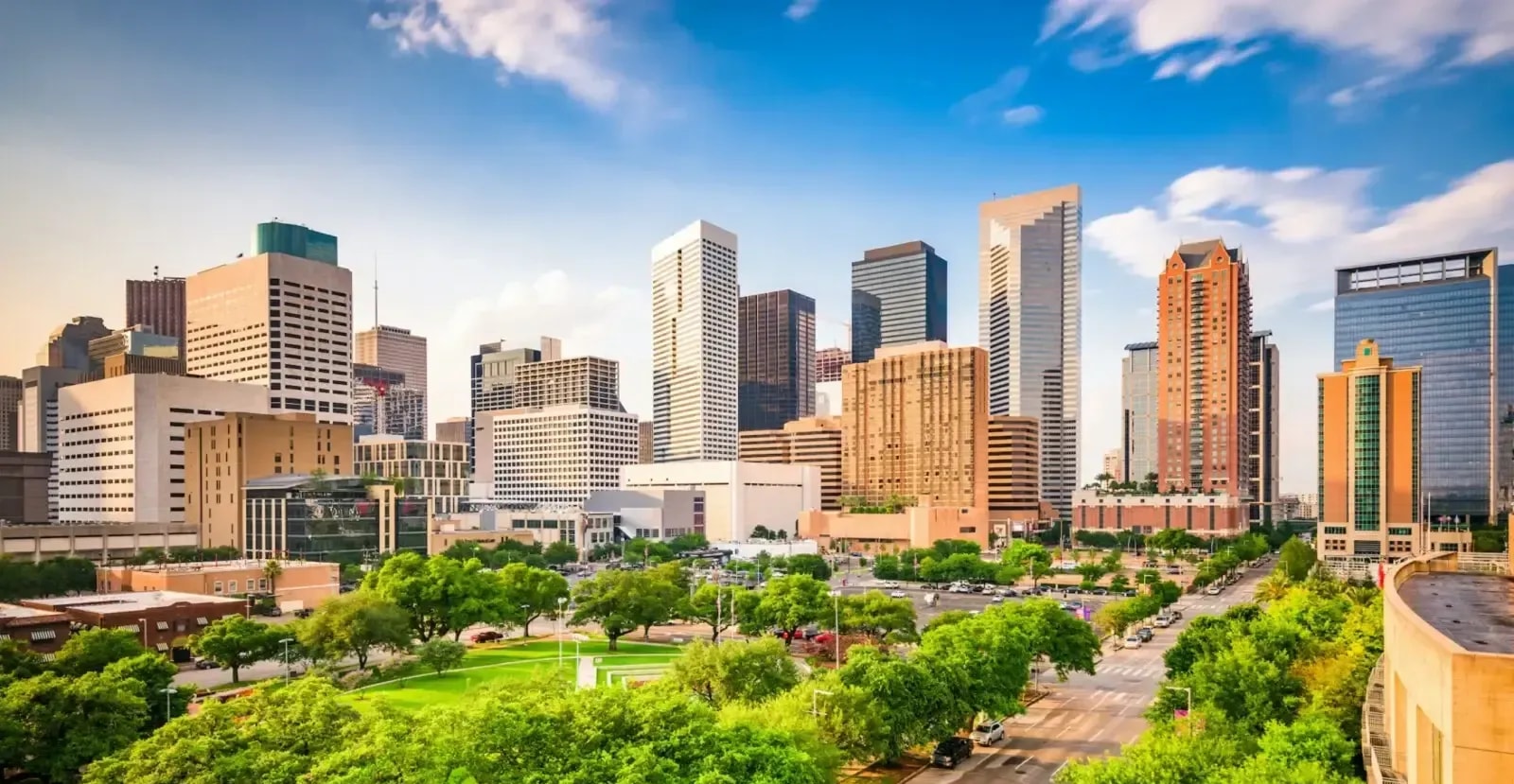
Houston is the city that doesn't care what you expect. The fourth-largest city in the United States, Houston has built its reputation on size, industrial might, and a particular brand of Texas ambition that has produced the world's largest medical complex, the nation's most diverse metropolitan area, and a culinary scene that James Beard Award panels have recognized as one of the most interesting in the country. But what Houston is, as a city to live in rather than a city to read about, is a collection of distinct neighborhoods that have very little in common with each other beyond the street grid and the heat, and understanding those distinctions is what makes the difference between landing in the right part of town and spending years commuting across a city that sprawls across 667 square miles.
There is no single Houston neighborhood profile that fits everyone. The Heights offers Victorian-era bungalows, weekend farmers markets, and a community energy that feels closer to Austin's South Congress than anything else in the city. Montrose is the city's creative and cultural nerve center, a walkable, eclectic district where LGBTQ+ community pride, independent bookstores, art galleries, and some of the best restaurants in the South coexist on adjacent blocks. Midtown is where young professionals go when they want urban density, METRORail access, and weekend nightlife within walking distance. Memorial is where families go when they want park access, top-tier schools, and a quieter quality of life without leaving the loop. Clear Lake is where aerospace engineers and NASA employees go when they want waterfront proximity and schools that consistently outperform national averages. And the Energy Corridor is where the oil and gas sector's professional workforce builds its life, near Terry Hershey Park, along I-10, in the western arc of the city that has quietly become one of the most livable suburban-scale neighborhoods inside the Houston city limits.
Below you'll find in-depth profiles of the six best neighborhoods in Houston for renters and buyers, with honest data on housing costs, safety, schools, walkability, and who each area genuinely fits. We've also included a dedicated storage section, because Houston is a city in constant motion, and Storage Depot is here to help make whatever move you're making as straightforward as possible.
Quick Facts: Houston at a Glance
- Population: ~2.34 million (city proper); ~7.3 million (Greater Houston metro)
- Nickname: Space City; Bayou City; H-Town
- Climate: Humid subtropical; hot summers (averaging 95°F+), mild winters, significant rainfall and occasional flooding risk
- Primary employers: Texas Medical Center (world's largest), ExxonMobil, Shell, ConocoPhillips, Chevron, Halliburton, Memorial Hermann Health System, Houston Methodist, MD Anderson Cancer Center, NASA Johnson Space Center, Port of Houston
- Median home price: ~$310,000 (Redfin/HAR data, 2025–2026), approximately 21% below national median
- Cost of living: Approximately 3–5% below the national average; no state income tax strengthens effective affordability
- Safest neighborhoods: Clear Lake, Memorial, West University Place, Bellaire, The Woodlands
- Most walkable neighborhood: Montrose / Neartown, Midtown, Downtown, The Heights
- Average rent: ~$1,199/month overall, approximately 23% below the national average rent (Apartments.com, March 2025)
Quick Facts: Renting in Houston
- Average 1BR rent: $1,100–$1,400/month (citywide average; varies dramatically by neighborhood)
- Average 2BR rent: $1,450–$1,900/month
- Rent vs. national average: Approximately 23% below national median, among the most affordable major U.S. cities for renters
- Most affordable neighborhoods for renters: Alief, Sharpstown, East Houston (~$900–$1,100/mo avg 1BR); North Houston and Greenspoint area (~$950–$1,150/mo avg 1BR)
- Premium neighborhood rents: Montrose 2BR averages ~$3,837; Washington Avenue 2BR averages ~$2,387; Clear Lake 2BR averages ~$1,583; Energy Corridor 1BR averages ~$1,700
- Year-over-year rent change: Roughly flat (Houston rents cooled modestly from 2022–2023 peaks and have stabilized)
- Flood risk note: Houston's flat topography and bayou system create meaningful flood risk in certain neighborhoods; always research FEMA flood zone designations and flood insurance costs for any specific address before signing a lease or making an offer
Table of Contents
- Houston Housing & Rental Market Overview
- The Heights / Greater Heights, Most Historic, Most Charming
- Montrose, Most Eclectic, Most Walkable
- Midtown, Best for Young Professionals
- Memorial, Best for Families and Nature Lovers
- Clear Lake, Best for Aerospace Professionals & Waterfront Living
- The Energy Corridor, Best for Oil, Gas & Engineering Professionals
- How to Choose Your Houston Neighborhood
- Self Storage in Houston, Storage Depot
- Frequently Asked Questions
HOUSTON HOUSING & RENTAL MARKET OVERVIEW
Houston's housing market is one of the most accessible among major American cities, and the combination of no state income tax, low overall cost of living, and a median home price sitting roughly 21% below the national median creates a value proposition that continues to draw hundreds of thousands of new residents every year. The citywide median home sale price hovers around $310,000, per Redfin and HAR data from 2025–2026, though that figure masks significant variation across the city's sprawling geography. The Heights, Memorial, and West University neighborhoods command medians of $500,000 and above; East Houston and Alief offer median prices well below $200,000; and the inner loop's diverse residential corridors offer most price points in between.
The rental market is even more compelling from an affordability standpoint. At approximately $1,199 per month citywide average, Houston rents run about 23% below the national median, making it one of the most renter-friendly major cities in the country. Renters in neighborhoods like Midtown or Montrose pay premiums for walkability and urban amenity, but still often at prices that would be considered moderate in Dallas, considerably below comparable addresses in Austin, and dramatically below coastal markets. For renters arriving from out of state, Houston's rental market often represents a meaningful upgrade in space and quality at a lower monthly outlay than they've been paying.
Two practical factors that every prospective Houston resident needs to understand before committing to a neighborhood. First, Houston's flat topography and bayou drainage system create genuine flood risk in certain areas, risk that is not always visible from street-level inspection. The flooding events of Hurricane Harvey (2017) and subsequent storms demonstrated that flood exposure in Houston is not limited to obvious waterfront properties; entire inland neighborhoods flooded significantly due to drainage system failures and bayou overflow. Research FEMA flood zone maps, check historical flood data for specific addresses, and factor flood insurance costs, which can run $1,500–$4,000+ annually depending on location, into your total housing cost calculation. Second, Houston is car-dependent at a citywide scale that even other Texas cities don't fully match. With the exception of the Midtown and Montrose corridors and the areas immediately served by METRORail, most neighborhoods require a car for virtually all daily errands. Traffic on I-610, I-45, and I-10 can be intense during peak hours. Build your commute route into any neighborhood decision, not just the address.
1. THE HEIGHTS / GREATER HEIGHTS, MOST HISTORIC, MOST CHARMING
The Heights is Houston's most beloved neighborhood, which is a statement that would have seemed preposterous twenty years ago, when the area was undervalued and overlooked, and now seems almost self-evident to anyone who has spent a weekend morning wandering its tree-lined streets. Established in 1891 as one of Houston's first planned suburbs, the Heights was built with trolley access to downtown, Victorian-era design standards, and wide, shaded boulevards that the original developers wanted to feel different from the city's commercial core. More than a century later, it still does. The historic bungalows, Queen Anne cottages, and craftsman-style homes that line the neighborhood's signature streets have been steadily restored, renovated, and in some cases dramatically expanded, though the character of the place has been preserved in a way that Houston, with its notoriously minimal zoning restrictions, rarely manages to protect.
What draws people to the Heights is harder to articulate than a list of amenities. It's partly the physical texture, the canopy of mature oaks over Boulevard Oaks, the covered porches and original woodwork, the sense of layers of history visible in the architecture. It's partly the commercial street life along 19th Street and Heights Boulevard, where independent boutiques, coffee shops, bars, wine bars, and restaurants have created one of Houston's most genuinely walkable commercial corridors. The White Oak Bayou Trail, which connects the Heights to Memorial Park and the Buffalo Bayou system, puts miles of paved greenway within walking distance for residents who want outdoor recreation without driving to it. And the Heights Farmers Market, operating on Saturdays at the historic Heights Fire Station, has become one of Houston's most beloved neighborhood institutions.
For buyers, the Heights has appreciated dramatically over the past decade, Oak Forest, a related neighborhood just west, saw property values rise over 60% in the previous decade alone according to Norada Real Estate data. Median home prices in the Heights proper now typically run $500,000–$700,000 for restored historic homes, with new construction townhomes filling many lots at comparable prices. The neighborhood's popularity has created a competitive buying environment where well-priced listings move quickly. Renters can find apartments and townhomes in the Greater Heights area typically in the range of $1,400–$2,000 per month for a one-bedroom, with the premium reflecting the neighborhood's walkability and character.
Median Home Price: $500,000–$750,000 (historic homes); new townhomes comparably priced | Average Rent: 1BR: $1,400–$2,000/mo | 2BR: $1,800–$2,500/mo
Safety: The Heights earns strong safety marks relative to Houston as a whole. Its engaged community, active neighborhood associations, and high rate of homeownership create a stable environment. As with any inner-loop Houston neighborhood, specific blocks vary, research individual addresses for the most accurate picture.
Walkability / Transit: The Heights is one of Houston's most walkable neighborhoods. The 19th Street commercial corridor and Heights Boulevard provide genuine on-foot access to dining, shopping, and recreation. The White Oak Bayou Trail connects residents to Memorial Park and the broader Buffalo Bayou trail network. METRO bus service connects the area; a car is still useful for reaching destinations outside the immediate neighborhood but daily errands are more achievable on foot or by bike than in most Houston neighborhoods.
Top Amenities:
- Heights Hike and Bike Trail, 6.2 miles of paved trail running through the historic boulevard median; one of Houston's premier inner-loop recreation corridors
- Heights Farmers Market, Saturday morning farmers market at the historic Heights Fire Station; one of Houston's most beloved community institutions
- 19th Street commercial corridor, Independent boutiques, wine bars, coffee shops, restaurants, and vintage stores creating a genuinely walkable neighborhood main street
- White Oak Bayou Trail, Paved trail system connecting the Heights to Memorial Park and Buffalo Bayou; accessible by foot or bike for residents throughout the neighborhood
- White Oak Music Hall, One of Houston's premier live music venues, anchoring the east end of the neighborhood
- Columbia Tap Rail Trail, Converted rail corridor trail connecting the Heights to the Museum District
- Historic architecture, Restored Victorian, Queen Anne, and craftsman-style homes representing some of the most distinctive residential architecture in Houston
Schools: The Heights is served by Houston ISD, with specific campus quality varying significantly by school. Many Heights families utilize HISD magnet programs or private school options in the surrounding area, including St. Rose of Lima and several other parish-based schools.
Best For: Buyers seeking historic character and walkable urban living in a genuinely distinctive neighborhood; families who want community roots and a neighborhood identity that extends beyond their own block; renters who value character, walkable commercial streets, and outdoor recreation access; anyone who wants to feel like they live in a real neighborhood rather than a development
Nearest Storage Depot Location:
- Storage Depot, 9021 Ruland Road, Houston, TX 77055, Located in the Spring Branch area just southwest of the Heights, this is the most convenient Storage Depot location for Heights residents. Accessible via I-610 and US-290 with drive-up and indoor unit options. Ideal for residents in the Heights' smaller historic homes who need overflow storage, buyers staging a property for sale, or renters bridging between leases in this competitive neighborhood.
2. MONTROSE, MOST ECLECTIC, MOST WALKABLE
Montrose is Houston's most interesting neighborhood by almost any measure. Bounded by Buffalo Bayou to the north, Midtown to the east, the Museum District to the south, and River Oaks to the west, Montrose occupies a geographic position at the center of the city's cultural life, and has served as Houston's creative, LGBTQ+, and bohemian epicenter for decades. Walk its streets on a Saturday and you'll pass dive bars that have been serving the same regulars since the 1970s, contemporary art galleries next to vintage clothing shops, taqueria counters alongside James Beard-recognized fine dining rooms, and bungalow blocks being torn apart to build townhomes that sell to young professionals relocating from coasts who want density without a high-rise.
The neighborhood earns one of Houston's highest Walk Scores, an 86, which in a car-dependent city like Houston represents a significant distinction. The density of restaurants, coffee shops, bars, and independent retail along Westheimer Road and Montrose Boulevard makes it possible to run most daily errands and social engagements without starting a car. Buffalo Bayou Park, one of Houston's finest urban green spaces, is accessible on foot from much of Montrose, offering miles of trails, art installations, and public space along the bayou's northern bank. The Museum District, home to the Houston Museum of Fine Arts, the Holocaust Museum Houston, the Contemporary Arts Museum Houston, and more than fifteen other institutions, is walkable from Montrose's southern edge.
Montrose is Houston's most expensive inner-loop rental neighborhood for two-bedrooms, apartment list data shows an average of $3,837 per month for a 2BR, but the wide range of housing types means that renters on more modest budgets can find smaller units in older buildings for considerably less. One-bedroom apartments in renovated mid-century buildings or smaller complexes can be found in the $1,400–$2,000 range. Buyers looking for a single-family home in Montrose face a competitive and pricey market, with most full-sized homes starting above $500,000 and well-located properties with renovated interiors often trading significantly higher. Townhomes and smaller attached housing offer more accessible entry points at $350,000–$500,000.
Median Home Price: $400,000–$700,000+ (significant range by home type and specific block) | Average Rent: 1BR: $1,400–$2,100/mo | 2BR: $2,200–$3,837/mo
Safety: Montrose's walkability and urban density come with the mixed safety statistics typical of Houston's inner-loop neighborhoods. The neighborhood's commercial corridors, particularly along Westheimer, see property crime rates consistent with active urban commercial areas. Residential blocks away from the main commercial strips are generally considered safe, and the neighborhood's active street life and community engagement tend to support reasonable security for residents who take normal urban precautions. Research specific addresses for the most accurate current picture.
Walkability / Transit: Houston's most walkable inner-loop neighborhood with an 86 Walk Score. Westheimer and Montrose Boulevard support genuine pedestrian commercial life. METRORail's Red Line runs along Main Street at the neighborhood's eastern edge, providing rail connection to downtown, the Medical Center, and Midtown. Buffalo Bayou Park trails are accessible on foot. Biking is viable for most neighborhood destinations.
Top Amenities:
- Westheimer Road dining corridor, One of Houston's most concentrated stretches of restaurants, bars, coffee shops, and independent retail; the neighborhood's spine and primary gathering place
- Buffalo Bayou Park, 160-acre urban park along the bayou with trails, art installations, kayak launch points, and public programming; accessible on foot from most of Montrose
- Museum District proximity, Houston Museum of Fine Arts, Holocaust Museum Houston, Contemporary Arts Museum, Children's Museum of Houston, and more than a dozen other institutions within a short walk or bike ride
- Menil Collection, One of the most important private art collections in the world, housed in a Renzo Piano-designed campus open free of charge to the public, and located in Montrose itself
- LGBTQ+ community and nightlife, Anchored by Montrose's longstanding role as Houston's LGBTQ+ neighborhood; Pride programming, community organizations, and a range of LGBTQ+-welcoming venues throughout the district
- Spec's Wine Spirits & Finer Foods, The iconic Houston institution's flagship location in Montrose; a neighborhood landmark in its own right
- METRORail Red Line, Rail connection to downtown Houston, Midtown, and the Medical Center from the neighborhood's eastern edge
Best For: Young professionals who want the city's most walkable and culturally rich urban neighborhood; LGBTQ+ residents seeking community, nightlife, and a neighborhood with genuine identity and history; food and arts enthusiasts who want proximity to the best of Houston's cultural life; renters who value character and amenity density over space and quiet
Nearest Storage Depot Location:
- Storage Depot, 9021 Ruland Road, Houston, TX 77055, Accessible from Montrose via I-610 West for residents of Houston's most walkable neighborhood who inevitably need somewhere to put the things that don't fit in a bungalow or mid-century apartment. Climate-controlled units available for furniture, art, and temperature-sensitive belongings. Month-to-month leases fit Montrose's fluid, high-turnover rental market well.
3. MIDTOWN, BEST FOR YOUNG PROFESSIONALS
Midtown is Houston's most explicitly urban neighborhood, dense, transit-connected, and built around a lifestyle that prioritizes being close to things over having space between them. Sandwiched between downtown to the north and Montrose to the west, Midtown has transformed dramatically over the past two decades from a neighborhood of commercial warehouses and surface parking lots into a dense residential district anchored by a Main Street corridor of bars, restaurants, brunch spots, and late-night venues that make it the most popular nightlife destination for Houston's twenty- and thirty-something professional population. On weekend evenings, Midtown comes alive in a way that few Houston neighborhoods match; on weekday mornings, it empties into a commuting city of professionals heading to downtown, the Medical Center, and the broader urban core.
METRORail is Midtown's defining transit infrastructure. The Red Line runs along Main Street through the heart of the neighborhood, connecting residents to downtown in minutes and to the Texas Medical Center, the world's largest medical complex and one of Houston's dominant employers, without a car. This rail access distinguishes Midtown from virtually every other Houston neighborhood and makes it the most practical choice for professionals who work at either end of that corridor and want to minimize their commuting burden. Midtown Park and Baldwin Park provide green space for outdoor activities and community events; Baldwin Park's dog-friendliness has made it a social hub for the neighborhood's significant pet-owning population.
Housing in Midtown is predominantly apartments and townhomes. The neighborhood offers some of Houston's most modern high-rise and mid-rise apartment communities, with rooftop pools, fitness centers, and amenity packages that attract the corporate relocation market as readily as they do local movers. One-bedrooms in newer communities typically run $1,400–$1,900 per month. Budget-conscious renters can find older apartment stock in the $1,100–$1,400 range, though Houston's inner-loop rental market has tightened as Midtown's amenity profile has grown. Buyers can find townhomes starting in the $300,000s, with higher-end units and larger properties climbing well above $500,000.
Median Home Price: $350,000–$600,000+ (townhomes dominant; condos available from the $200,000s) | Average Rent: 1BR: $1,300–$1,900/mo | 2BR: $1,700–$2,400/mo
Safety: Midtown's active street life and density of venues create a safety profile typical of Houston's urban entertainment districts. Property crime in commercial areas is the primary concern. Residential buildings in Midtown tend to have good security infrastructure, and the neighborhood's METRORail corridor benefits from transit security presence. As always, research specific addresses and buildings for current conditions.
Walkability / Transit: Midtown is one of Houston's most transit-capable neighborhoods. METRORail Red Line provides rail access to downtown and the Medical Center without a car. Main Street's commercial corridor is walkable for dining, nightlife, and daily errands. The neighborhood's Bike Share stations and proximity to the Buffalo Bayou trail system support car-free recreation. Midtown's Transit Score is among the highest in Houston.
Top Amenities:
- METRORail Red Line, Direct rail access to downtown Houston (5–10 minutes) and Texas Medical Center (15–20 minutes); the neighborhood's defining transit infrastructure
- Main Street and Bagby Street nightlife corridor, Bars, cocktail lounges, live music venues, and late-night dining creating Houston's most active entertainment district
- Midtown Park, Community green space with regular programming including yoga, fitness events, and food truck gatherings; the neighborhood's primary outdoor gathering place
- Baldwin Park, Dog-friendly park and social hub serving Midtown's substantial pet-owner community
- Midtown Arts & Theater Center Houston (MATCH), Multi-venue performing arts center hosting local theater, dance, and independent productions
- Brunch and café culture, Midtown's dense concentration of weekend brunch spots and coffee shops has made it a destination for the broader Houston young professional community
- Downtown proximity, Walking distance or one rail stop to downtown Houston's major employers, sports venues, and the GRB Convention Center
Best For: Young professionals who want METRORail access to downtown and the Medical Center without a car; residents who prioritize nightlife, restaurants, and social energy in their neighborhood; corporate relocators who want a walkable urban base during their first months in Houston; buyers looking for townhomes or condos in Houston's densest inner-loop residential district
Nearest Storage Depot Location:
- Storage Depot, 9021 Ruland Road, Houston, TX 77055, Accessible via I-610 for Midtown residents in compact apartments and townhomes where storage space is at a premium. Month-to-month leases are ideal for the mobile professional demographic that makes Midtown one of Houston's highest-turnover rental markets. Fully online rental means no office visit required, reserve a unit on your phone and move in on your schedule.
4. MEMORIAL, BEST FOR FAMILIES AND NATURE LOVERS
Memorial occupies a particular position in Houston's residential hierarchy, it's the neighborhood that locals who have outgrown inner-loop density discover, often with genuine surprise, when they start looking for a place to raise a family without leaving the city. Located just west of downtown along I-10, Memorial is bounded by Buffalo Bayou to the north, the neighborhoods of Tanglewood and Briargrove to the south, and extends westward into a corridor of established single-family subdivisions, country clubs, and some of the most expansive green space anywhere inside the Houston city limits. Memorial Park, at 1,466 acres, one of the largest urban parks in the United States, sits at the neighborhood's northern edge and provides a recreational asset that most Houston residents would drive across the city to access, and that Memorial residents can walk to.
Memorial Park is worth pausing on because it's genuinely exceptional. The park's Seymour Lieberman Exercise Trail is one of the most used public exercise corridors in Houston, with cyclists, runners, and walkers filling the 2.93-mile loop on any given morning. The Buffalo Bayou trail system connects Memorial Park to the city's broader trail network, running east through the Heights and west toward the Energy Corridor. A fully renovated golf course, tennis center, nature trails, and recently completed amenity buildings have made Memorial Park one of the city's most significant investments in public recreation infrastructure over the past decade. Having this at walking distance is, for many Memorial families, the single most important factor in their neighborhood selection.
The housing stock in Memorial reflects its status as one of Houston's most desirable addresses. Single-family homes dominate, ranging from original 1950s and 1960s ranch-style houses on large lots to custom-built estates that frequently trade above $1 million. The median home price in the Memorial area runs approximately $493,000, according to data from The Honest Local and HAR, though pricing varies dramatically within the neighborhood's various sub-sections. Rental options are available though limited, with single-family home rentals typically starting around $2,500–$3,500 per month for a three-bedroom. Apartment communities along the Memorial/Spring Branch corridor offer more accessible entry points for renters who want the area without a full home commitment.
Median Home Price: $400,000–$700,000+ (highly variable; custom estates can reach $2M+) | Average Rent: Apt 1BR: $1,400–$1,800/mo | Single-family homes: $2,500–$4,000+/mo
Safety: Memorial earns among the highest safety ratings in Houston. The neighborhood's stable owner-occupied character, active community associations, and high median household income contribute to very low crime rates relative to the broader city. HAR and real estate research consistently place Memorial among Houston's top-performing residential areas for safety and quality of life.
Walkability / Transit: Memorial is not a walkable neighborhood for daily errands, a car is essential for grocery shopping, school runs, and most commercial needs. However, it is exceptionally walkable for recreation. Memorial Park's trail network, the Buffalo Bayou corridors, and the neighborhood's internal sidewalks make outdoor mobility meaningful in a way that few Houston neighborhoods match. Transit options are limited beyond METRO bus service.
Top Amenities:
- Memorial Park, One of the largest urban parks in the U.S. (1,466 acres); Seymour Lieberman Exercise Trail, golf course, tennis center, nature trails, and the newly renovated Memorial Park Lodge, a transformative public amenity directly adjacent to the neighborhood
- Buffalo Bayou trail system, Connected trail network running from Memorial Park east through the Heights and west through the Energy Corridor; world-class urban cycling and running infrastructure
- CityCentre, Mixed-use district at the western edge of the Memorial area with shopping, dining, a boutique hotel, and outdoor entertainment space; the neighborhood's commercial anchor
- Memorial City Mall and Medical Center, Regional mall and adjacent Memorial City Medical Center providing healthcare, retail, and employment within the broader Memorial corridor
- Houston Country Club, Historic private club adjacent to Memorial providing golf, tennis, and social amenities for members
- Spring Branch ISD schools, Portions of Memorial fall within Spring Branch ISD, which earns solid marks and has invested significantly in its campuses over recent years; Houston ISD serves other portions of the area
Best For: Families who want park access, strong schools, and established neighborhood character in a Houston address; buyers seeking large single-family homes on mature lots with room for children; nature enthusiasts and endurance athletes who want Memorial Park's trail network at their doorstep; residents who want the quality and stability of an inner-loop Houston address without the density of Midtown or Montrose
Nearest Storage Depot Location:
- Storage Depot, 9021 Ruland Road, Houston, TX 77055, Located on Ruland Road in the Spring Branch area immediately adjacent to the Memorial corridor, this is the closest Storage Depot location for Memorial residents. Drive-up units are ideal for storing sporting equipment, seasonal items, and the overflow that comes with family living in Houston's mix of older, smaller homes and newer large estates. Climate-controlled units protect furniture and valuables from Houston's extreme summer heat and humidity.
5. CLEAR LAKE, BEST FOR AEROSPACE PROFESSIONALS & WATERFRONT LIVING
Clear Lake is Houston's most quietly exceptional neighborhood, a waterfront community approximately 25 miles southeast of downtown that has built a genuinely distinctive identity around its dual anchors of aerospace industry and coastal lifestyle. NASA's Johnson Space Center, which has served as the primary hub for American human spaceflight since the Gemini program in the 1960s and was renamed in 1973 to honor President Lyndon B. Johnson, sits at the heart of the neighborhood's employment base and has given Clear Lake a professional community of aerospace engineers, scientists, contractors, and NASA employees that shapes the neighborhood's character in ways both obvious and subtle. Space Center Houston, the official visitor center for NASA's JSC, draws visitors from around the world, but for Clear Lake residents, it's just the facility they can see from the highway on the way to pick up kids from school.
Niche.com gives Clear Lake an A+ rating for public schools, the highest mark in Houston's neighborhood rankings, and an overall neighborhood score of A, making it the top family-friendly destination in the city by those metrics. The school district serving the area, the Clear Creek Independent School District, has consistently earned recognition for academic performance, and schools like Clear Lake High and Falcon Pass Elementary draw families to the area specifically for their reputations. The result is a neighborhood that combines the safety and school quality of an affluent suburb with the genuine waterfront character that makes it genuinely different from most Houston residential options.
The "lake" in Clear Lake is real and accessible. Many of the neighborhood's residential streets back up to the water or to one of the connecting channels, giving residents direct boat launch access and a coastal lifestyle that requires a 45-minute drive from most of Houston to replicate. The Kemah Boardwalk, a waterfront dining and entertainment district, is minutes away. The Armand Bayou Nature Center provides wildlife and nature education in a preserved wetlands environment adjacent to the neighborhood. Renters in Clear Lake benefit from the neighborhood's A+ school rating and waterfront amenities at rents that run significantly below what comparable quality in inner-loop Houston costs: two-bedroom apartments average around $1,583 per month, making it one of the best-value family-oriented neighborhoods in the city.
Median Home Price: $280,000–$450,000 (waterfront homes command premiums; non-waterfront housing is highly accessible) | Average Rent: 1BR: $1,100–$1,500/mo | 2BR: ~$1,583/mo average
Safety: Clear Lake consistently earns A+ safety ratings, among the highest in Houston. The neighborhood's combination of affluent demographics, owner-dominated housing, strong community associations, and relatively low urban density contribute to crime rates that are a fraction of the citywide average. It is one of the genuinely safest areas within the Houston city limits.
Walkability / Transit: Clear Lake is car-dependent for most daily needs, the commute to downtown runs 35–45 minutes, and transit options are limited to METRO bus service. The waterfront character and marina access make boating and water recreation a practical form of mobility for residents with boats. The Bay Area Boulevard and El Dorado Boulevard commercial corridors provide accessible retail and dining by car.
Top Amenities:
- NASA Johnson Space Center, The primary hub for American human spaceflight; a major local employer and the source of the neighborhood's distinctive professional character
- Space Center Houston, The official visitor center for JSC; a significant attraction and point of neighborhood pride
- Clear Lake and Galveston Bay access, Waterfront living with boat launch access, marina facilities, and water recreation connecting directly to the Gulf Coast
- Kemah Boardwalk, Waterfront dining, shopping, and entertainment destination minutes from most Clear Lake neighborhoods
- Armand Bayou Nature Center, 2,500-acre nature preserve with walking trails, wildlife observation, and environmental education programming in a preserved wetlands habitat
- Clear Creek ISD schools, A+ rated school district with consistently strong academic performance; the primary driver of family demand in the area
- Bay Area Park and adjacent green space, Multiple parks and recreational facilities throughout the Clear Lake area
Best For: Aerospace engineers, NASA contractors, and employees of JSC and related facilities; families who prioritize A+ school ratings above all other factors; residents who want waterfront access and a coastal lifestyle without the premium of Galveston or Kemah; renters looking for exceptional school quality and safety at below-inner-loop pricing
Nearest Storage Depot Location:
- Storage Depot, 9021 Ruland Road, Houston, TX 77055, Storage Depot serves Houston broadly, with easy access from I-45 and Beltway 8 for Clear Lake residents needing storage during a move to the area, while staging a waterfront property, or for storing boat equipment and seasonal items that don't fit in a smaller townhome or condo. Fully online rental with month-to-month leases.
6. THE ENERGY CORRIDOR, BEST FOR OIL, GAS & ENGINEERING PROFESSIONALS
The Energy Corridor doesn't have a romantic name, but for a specific type of Houston resident, it's the neighborhood that simply makes the most sense. Stretching along Interstate 10 (the Katy Freeway) approximately 15–20 miles west of downtown, the Energy Corridor earned its name as home to some of the energy sector's largest employers: BP, Shell, Citgo, ConocoPhillips, and dozens of engineering and services firms whose campuses line the I-10 corridor from Beltway 8 to State Highway 6. For engineers, geoscientists, petroleum professionals, and the broader energy industry workforce that makes up a significant portion of Houston's professional class, living in the Energy Corridor means a commute measured in minutes rather than the hour-plus trek that inner-loop residents face when heading west.
What surprises most people who discover the Energy Corridor is the quality of outdoor access it delivers alongside that professional convenience. Terry Hershey Park, an 838-acre linear park running along Brays Bayou, provides miles of paved trails that are heavily used by Energy Corridor residents for cycling, running, and outdoor recreation year-round. The trail connects to the broader Buffalo Bayou system, ultimately linking to Memorial Park and the city's primary trail network. CityCentre, the mixed-use development at the neighborhood's eastern edge, delivers the shopping, dining, and entertainment infrastructure that makes the Energy Corridor feel like a fully self-contained lifestyle rather than just a commuter depot. A boutique hotel, restaurants, live events programming, and walkable retail make CityCentre one of the most successful mixed-use developments in the Houston area.
The neighborhood's rental market reflects its suburban-professional character. One-bedroom apartments average around $1,700 per month, a moderate premium over Houston's citywide average that reflects the quality of the apartment stock and the professional demographic it serves. Single-family homes in the surrounding residential neighborhoods (Memorial Village, Spring Branch, and adjacent areas) range widely from $350,000 to well above $1 million depending on size, age, and proximity to parks. The Energy Corridor's vibe is decidedly more laid-back than the inner loop, families and professionals who have made the calculation that outdoor access and commute time matter more than urban density will find it comfortable and well-suited to a specific kind of Houston life.
Median Home Price: $350,000–$700,000 (highly variable; range reflects age and position of homes throughout the broader corridor) | Average Rent: 1BR: ~$1,700/mo | 2BR: ~$2,100/mo
Safety: The Energy Corridor and surrounding residential areas earn solid safety marks. The neighborhood's suburban character, strong owner-occupied housing base, and professional demographic contribute to crime rates well below Houston's citywide averages. It is consistently cited as one of the safer parts of Houston's western arc.
Walkability / Transit: The Energy Corridor is car-dependent for most daily needs, daily errands and commutes beyond the trail system require a vehicle. Terry Hershey Park provides exceptional on-foot and cycling access to nature and the broader trail network. CityCentre is walkable from the nearest apartment communities. METRO bus service connects the area to the broader city, but without rail access, the Energy Corridor's transit options are limited compared to the inner loop.
Top Amenities:
- Terry Hershey Park, 838-acre linear park along Brays Bayou with miles of paved trails for cycling, running, and walking; one of Houston's premier outdoor recreation assets and the Energy Corridor's defining neighborhood amenity
- Buffalo Bayou trail connection, Terry Hershey Park trails connect to the broader Buffalo Bayou trail system, extending the accessible trail network significantly east toward Memorial Park and the inner loop
- CityCentre, Mixed-use development at Beltway 8 and I-10 with restaurants, retail, a boutique hotel, and outdoor event programming; the Energy Corridor's walkable civic center
- Memorial City Mall, Regional shopping center with major anchors, dining options, and the adjacent Memorial City Medical Center providing healthcare access
- Energy Corridor corporate campus access, BP, Shell, Citgo, ConocoPhillips, and numerous engineering firms within a short commute; the defining employment draw for the neighborhood's professional workforce
- George Bush Park, 7,800-acre regional park at the western edge of the Energy Corridor corridor; one of the largest parks in the Houston system with camping, equestrian trails, and extensive green space
- Spring Branch ISD and Houston ISD schools, Multiple high-performing campuses serve the residential neighborhoods of the Energy Corridor area
Best For: Oil, gas, and engineering professionals who work in the Energy Corridor and want to minimize their commute; families who prioritize park access, trail systems, and a quieter residential pace over urban density; cyclists and outdoor enthusiasts who want Terry Hershey Park and the Buffalo Bayou trail system within easy reach; residents relocating from comparable suburban markets in other cities who want a Houston address without inner-loop density
Nearest Storage Depot Location:
- Storage Depot, 9021 Ruland Road, Houston, TX 77055, Located in the Spring Branch area with straightforward access from I-10 and Beltway 8, Storage Depot's Houston facility is a practical solution for Energy Corridor professionals and families managing a corporate relocation, staging a home for sale, or storing recreational equipment, bikes, kayaks, and outdoor gear, that the area's active outdoor culture accumulates quickly. Climate-controlled and drive-up units available.
HOW TO CHOOSE YOUR HOUSTON NEIGHBORHOOD
Houston is large enough that choosing the right neighborhood is genuinely consequential, the wrong part of town can add an hour to a daily commute, price you out of the school district you need, or put you in a flood zone you didn't know existed. Here's a practical framework for narrowing it down.
If walkability and authentic neighborhood character matter most: The Heights is the clearest answer. The 19th Street corridor, the boulevard trail system, the farmers market, and the genuine community identity that has developed over more than a century of neighborhood life add up to something that Houston doesn't often produce. Montrose is the alternative for those who want even more urban density, LGBTQ+ community, and cultural life, at the cost of a more significant price premium.
If nightlife, METRORail access, and urban density are the priorities: Midtown delivers what the others don't, genuine rail access to downtown and the Medical Center, a Main Street corridor that comes alive on weekends, and a residential base of apartment and townhome communities that puts most of the city's professional social life within walking distance. It's Houston's answer to the urban young professional neighborhood.
If family infrastructure, schools, parks, and community stability, drives the decision: Memorial and Clear Lake are the two strongest arguments, but they serve different lifestyles. Memorial gives you Memorial Park at your doorstep and a neighborhood with deep roots; it's the choice for families who want nature access and a stable inner-arc address. Clear Lake gives you A+ schools, waterfront living, and a NASA-adjacent professional community; it's the choice for families who want the city's best school ratings and are willing to commute to get them.
If you work in energy, engineering, or the western corridor's professional economy: The Energy Corridor's combination of a short commute, Terry Hershey Park, and CityCentre's amenities has made it the most logical landing point for that workforce. The neighborhood's laid-back, suburban-professional character is distinct from the inner loop, and for residents who have made the quality-of-life calculation that outdoor access and commute time matter more than walkable density, it's difficult to argue against.
If flood risk is a primary concern: Elevation and drainage infrastructure vary dramatically even within the same neighborhood, let alone across the city. Clear Lake, Memorial, and the Energy Corridor each have significant areas that flooded during Harvey and subsequent events. Before committing to any Houston address, run the specific property address through FEMA's Flood Map Service Center and the Harris County Flood Control District's mapping tools. This is not optional in Houston, it is an essential part of any housing decision.
SELF STORAGE IN HOUSTON, STORAGE DEPOT
Houston is a city in constant motion. Corporate relocations flowing through the Energy Corridor, young professionals cycling through Midtown's high-turnover rental market, families upgrading from Montrose apartments to Memorial homes as their households grow, and a steady stream of new arrivals to one of the fastest-growing metro areas in the United States, all of that movement creates ongoing, genuine storage needs. Storage Depot serves Houston with a location designed to make self storage as simple as possible: fully online rental, month-to-month leases, and the flexibility that Houston's mobile population requires.
Storage Depot is a brand managed by 10 Federal Storage, bringing the same security standards, online rental infrastructure, and customer-focused approach that 10 Federal has built across its national network of over 100 facilities. All leases are month-to-month with no hidden fees. New customers qualify for up to 1 month free at move-in.
Storage Depot Location in Houston
- 9021 Ruland Road, Houston, TX 77055, Located in the Spring Branch neighborhood, this facility serves the Heights, Montrose, Memorial, Midtown, and the broader western Houston residential corridor with convenient access via I-610, US-290, and I-10. Drive-up access units are available for quick loading and unloading; climate-controlled interior units provide essential protection for furniture, electronics, artwork, and temperature-sensitive items during Houston's extreme summer heat and high humidity, conditions that can cause real damage to belongings stored in non-climate-controlled environments. Unit sizes from compact 5×5 for boxes and small items up to large 10×20+ units for full household contents. Contactless move-in available, rent online and go straight to your unit. 24-hour gated access with electronic entry, video surveillance, and fenced perimeter.
Unit sizes range from 5×5 lockers for seasonal items and overflow boxes up to large units capable of holding the full contents of a multi-bedroom home. Climate-controlled units are strongly recommended for Houston storage given the city's heat and humidity profile, materials including wood, leather, artwork, electronics, and documents can degrade quickly in uncontrolled environments during a Houston summer. View available units and reserve your Houston storage unit online today.
WELCOME TO HOUSTON
Houston resists easy characterization because it contains multitudes that most visitors don't expect to find in the same place. One of the world's great medical and energy capitals, one of the most ethnically and culturally diverse cities in the United States, a city with a serious culinary identity and a surprisingly robust arts scene, and underneath all of it, a collection of genuinely distinct neighborhoods where very different lifestyles are available at a price point that remains accessible by the standards of any other city this size. Whether you come for a career in medicine, energy, aerospace, or finance; for family and school access; for the walkable cultural life of Montrose and the Heights; or simply because Houston remains one of the few major American cities where a middle-income household can still afford to buy, this city will surprise you.
And wherever you land, Storage Depot has a Houston facility ready to help make your move, transition, or ongoing storage needs as simple and stress-free as possible, with fully online rental, month-to-month leases, climate-controlled units that protect your belongings from Houston's challenging weather, and up to 1 month free for new customers.
Reserve your Houston storage unit online today, no office visit required.
About Storage Depot, Houston, TX
Storage Depot operates a self-storage facility at 9021 Ruland Road, Houston, TX 77055, serving the Spring Branch, Heights, Memorial, Montrose, and western Houston corridor with secure, accessible storage. Storage Depot is managed by 10 Federal Storage and features gated access, video surveillance, climate-controlled and drive-up units, contactless move-in, 24-hour access, and flexible month-to-month leases. View available units and reserve online today.
FREQUENTLY ASKED QUESTIONS ABOUT HOUSTON, TX NEIGHBORHOODS
For renters, Houston's most affordable inner-city options are in Alief, Sharpstown, and parts of East Houston, where one-bedroom apartments can be found starting around $900–$1,100 per month. For families who need good schools alongside affordability, Clear Lake stands out: two-bedroom apartments average around $1,583 per month with A+ school ratings, a combination that is genuinely hard to find elsewhere in a major American city. For buyers, Houston's overall median home price of approximately $310,000 is already below the national median, with the most accessible price points in the city's outer neighborhoods and select inner-ring areas like parts of the East End and Kashmere Gardens.
Clear Lake and the Memorial area consistently earn the highest safety ratings within Houston city limits. West University Place, a small, incorporated city surrounded by Houston, regularly ranks among the safest communities in Texas. The broader Bellaire area and The Woodlands (technically a Houston suburb rather than a city neighborhood) also earn consistent A+ safety grades. Within the inner loop, the Heights and Montrose tend to be safer than the citywide average. Always verify safety data for specific addresses using CrimeGrade.org or the Houston Police Department's public crime mapping tools, block-level variation in Houston is significant.
Flooding is the single most important environmental risk factor in any Houston housing decision. The city's flat topography, extensive bayou system, and history of major flood events, most notably Hurricane Harvey in 2017, mean that flood risk affects a much wider range of Houston neighborhoods than most newcomers expect. Before committing to any Houston address, look up the specific property in FEMA's Flood Map Service Center and the Harris County Flood Control District's flood mapping tools. Determine the property's base flood elevation and flood zone designation. Factor flood insurance costs, which vary dramatically by zone and elevation, and can run $1,500–$4,000+ annually, into your total housing cost calculation. Note that even neighborhoods that have historically not flooded can experience significant flooding in extreme rain events; Harvey demonstrated this emphatically across a wide swath of the city.
Houston is one of the most affordable major cities in Texas relative to its size. Overall cost of living runs approximately 3–5% below the national average, with particularly strong affordability in housing. The citywide average rent of approximately $1,199 per month is roughly 23% below the national median, and significantly below what comparable urban proximity costs in Austin, which has seen some of the fastest rent escalation of any American city over the past decade. Texas's lack of a state income tax amplifies effective affordability for professional workers who might compare Houston to California or New York alternatives. The primary cost factors that push Houston higher than its baseline suggest are transportation (car ownership is essentially mandatory for most residents) and, in flood-exposed areas, insurance costs.
Midtown is the clearest answer for most definitions of "young professional in Houston", METRORail access, walkable nightlife, proximity to downtown employment, and modern apartment communities with strong amenity packages. Montrose offers a more eclectic, arts-forward alternative for young professionals who value cultural life and walkability over pure convenience. The Heights has become increasingly popular with young professionals who want to own rather than rent, the townhome and bungalow market there has drawn a significant wave of early-career buyers over the past decade. The Energy Corridor and Westchase serve young professionals whose careers are in the energy sector specifically.
Clear Lake tops most school-focused rankings with its A+ school district ratings and community safety profile. The Memorial area combines access to Memorial Park with strong schools and established community infrastructure. Bellaire and West University Place, both small incorporated cities surrounded by Houston, consistently earn top family rankings but command significant price premiums. The Woodlands, while technically a suburb rather than a Houston neighborhood, is among the most sought-after family environments in the metro. Within Houston city limits, the Heights, the Energy Corridor residential communities, and select Memorial-area neighborhoods offer strong family environments at a broader range of price points than the premium options.
About the Author
10 Federal Storage
Our team at 10 Federal Storage has been in the self storage industry for decades. With knowledge gained from multiple universities and in the field, we are well-prepared and excited to assist with your storage needs. When you rent a unit with us, you can feel confident that our seasoned customer service team’s help will make your transition as seamless as possible. Customer satisfaction is our number one priority, and we strive to make your experience exceptional with our automated leasing options, diverse unit sizes, and a strong commitment to sustainability.