
Best Neighborhoods in Seattle, WA
by 10 Federal Storage
Published on April 14, 2026
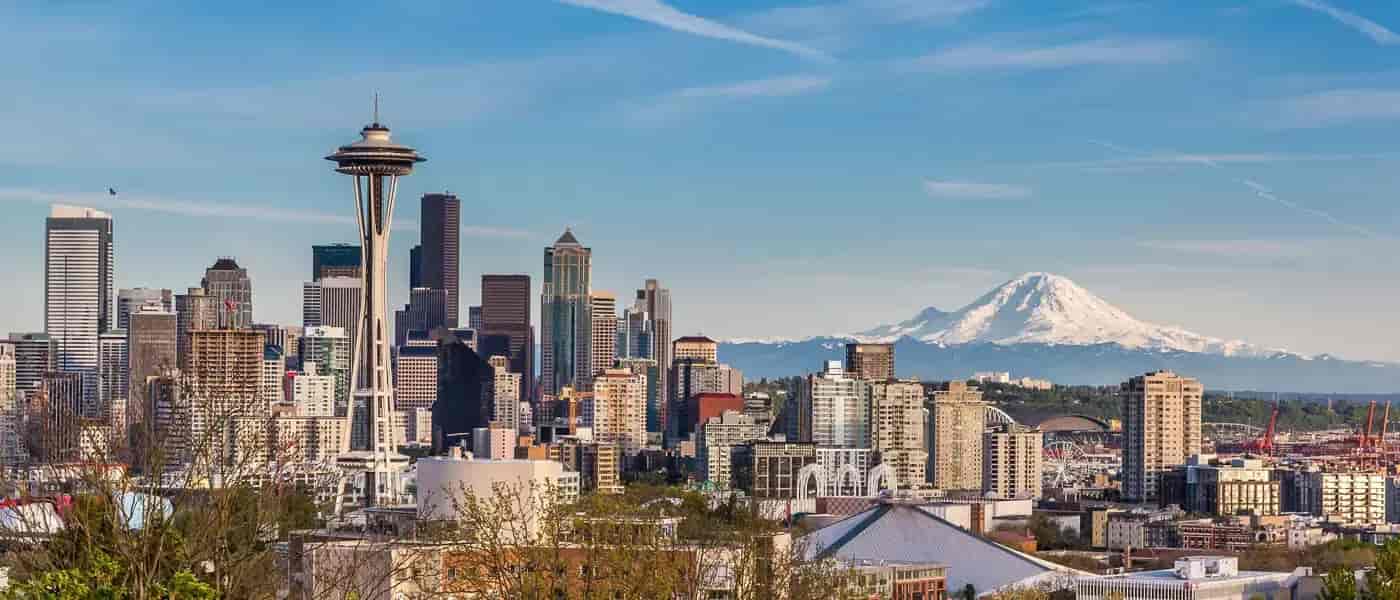
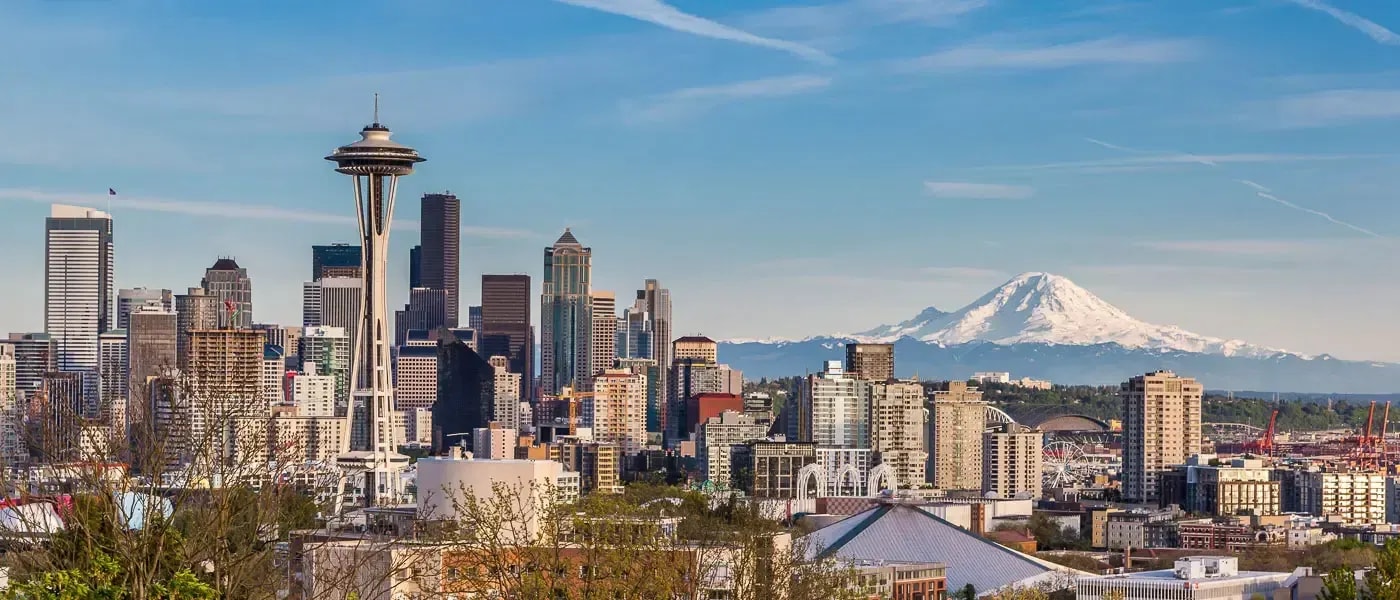
Seattle, "The Emerald City", has been one of America's most consequential cities for the better part of the last 30 years. The rise of Amazon, Microsoft, and the broader Pacific Northwest tech ecosystem transformed it from a well-regarded regional city into a global destination, bringing with it world-class dining, a dramatically expanded arts and cultural scene, and housing prices that now rank among the highest in the country. The median home sale price sits at approximately $849,000 as of early 2026. But what has not changed, what cannot be replicated elsewhere and is the underlying reason people keep arriving, is the setting. Seattle is hemmed in by Puget Sound to the west and Lake Washington to the east, backed by the Cascades to the east and the Olympics visible to the west, with the cone of Mount Rainier presiding over the southern skyline on clear days in a way that never becomes ordinary.
What distinguishes Seattle from most American cities of its scale is the degree to which its neighborhoods feel genuinely different from one another. Capitol Hill is irreverent, walkable, LGBTQ+-centered, and electric with nightlife. Ballard blends its Scandinavian maritime heritage with some of the best craft brewery and dining density in the Pacific Northwest. Fremont is proudly weird, the self-proclaimed "Center of the Universe" where public art installations, a Sunday market, and a deep local culture make it one of the most distinctive urban neighborhoods in the country. West Seattle feels like a coastal town that happened to get annexed by a major city. Beacon Hill is diverse, transit-connected, and deeply community-rooted. Queen Anne sits high above the city with views that justify its name and a neighborhood character that has made it a consistent destination for families and professionals across generations.
This guide profiles six of Seattle's best neighborhoods in depth, with honest data on housing costs, rental prices, safety, walkability, transit access, and the day-to-day character that makes each area worth choosing or moving past. We've also included a section on self storage, because Seattle is a city of perpetual motion, and the logistics of living in compact, expensive housing here make storage solutions a genuine part of urban life for many residents.
Quick Facts: Seattle at a Glance
- Population: ~749,000 (city proper); ~4.1 million (metro area)
- Nickname: The Emerald City
- Climate: Pacific Oceanic; mild, overcast, and wet October through April (average 37–50°F); dry and warm June through September (average 65–80°F). Annual rainfall ~37 inches, less than New York or Miami, despite the reputation.
- Primary employers: Amazon, Microsoft, Boeing, University of Washington, Swedish Medical Center, Harborview Medical Center, Starbucks, Nordstrom, Expedia, Google, Meta, Apple (major Seattle engineering offices)
- Median home price: ~$849,000 (Redfin, Feb 2026), approximately 100% above national average
- Average home value: ~$848,000 (Zillow, early 2026)
- Cost of living: Approximately 50–55% above national average; housing is the dominant driver, though Seattle has no state income tax (Washington State)
- Most walkable neighborhoods: Belltown (Walk Score 98), Capitol Hill, South Lake Union, Fremont, Ballard
- Best transit-connected neighborhoods: Capitol Hill (Link Light Rail), Beacon Hill (Link Light Rail), University District (Link Light Rail), South Lake Union (streetcar)
- Safest neighborhoods: Queen Anne, Ravenna, Phinney Ridge, Magnolia
Quick Facts: Renting in Seattle
- Median rent (all unit types, popular neighborhoods): ~$2,515/month
- Typical rent range by unit: Studio: $1,400–$1,800/mo | 1BR: $1,700–$2,200/mo | 2BR: $2,500–$3,500/mo
- Most expensive rental neighborhoods: South Lake Union (~$2,063/mo median 1BR), Capitol Hill (~$1,796–$2,200/mo 1BR), Lower Queen Anne / Seattle Center area
- Most affordable rental neighborhoods: Beacon Hill (~$1,009–$1,400/mo 1BR), South Park, Rainier Beach, University District (student-heavy inventory)
- Year-over-year rent change: Rental prices have moderated in 2025–2026 after a period of rapid increases, with studios and 1BR units showing slight declines; 2BR and larger remain relatively resilient
- Storage note: Seattle's combination of dense apartment living, premium prices per square foot, and active outdoor lifestyle creates strong ongoing demand for self storage, particularly for residents in compact Capitol Hill, Belltown, and South Lake Union units who need overflow space for bikes, seasonal gear, and household items
- No Washington State income tax: A meaningful financial consideration for renters and buyers when comparing Seattle's total cost of living to cities in states with income taxes
Table of Contents
- Seattle Housing & Rental Market Overview
- Capitol Hill, Most Vibrant, Most Culturally Rich
- Ballard, Best for Foodies, Breweries & Outdoor Access
- Fremont, Best for Arts, Community & Walkable Character
- West Seattle, Best for Coastal Living & Community Feel
- Beacon Hill, Best for Affordability, Diversity & Light Rail Access
- Queen Anne, Best for Families, Views & Urban-Suburban Balance
- How to Choose Your Seattle Neighborhood
- Self Storage in Seattle, 10 Federal Storage
- Frequently Asked Questions
SEATTLE HOUSING & RENTAL MARKET OVERVIEW
Seattle's housing market is one of the most expensive in the country, and one of the most structurally supply-constrained. The city is geographically hemmed in by Puget Sound to the west and Lake Washington to the east, with hilly terrain and established zoning limiting where new development can realistically go. The result is a market that has remained expensive even as it has moderated from its pandemic-era peaks. Redfin data from February 2026 shows a median sale price of $849,000, and Zillow's average home value sits at approximately $848,000, both representing roughly a 1–2% year-over-year decline from 2025 peaks, but still approximately twice the national median. Well-priced homes in desirable neighborhoods continue to attract multiple offers and sell within three to four weeks. The market is best described as competitive but more rational than 2021–2022, when escalation wars were the rule rather than the exception.
The price spectrum within the city is substantial. Single-family homes in Magnolia and Queen Anne routinely transact above $1 million. Capitol Hill's condo inventory has given buyers slightly more leverage in that submarket, with median listings around $594,500 in early 2026. Ballard's median hovers around $852,000 for single-family homes. At the upper end, Madison Park and Sand Point carry medians of $1.65 million and $1.2 million respectively, reflecting their water access and view positioning. Buyers who've been priced out of Seattle proper have increasingly turned to Burien, Shoreline, Renton, and the broader South King County corridor, but Seattle's employment concentration continues to make the city itself the primary destination for those who can manage the cost.
The rental market has moderated meaningfully from its 2022–2023 peaks. Seattle's typical rent as of early 2026 is approximately $2,251 per month across all unit types, down from recent highs. In the most popular central neighborhoods, the median runs around $2,515 per month. One-bedroom apartments in Capitol Hill range from $1,700 to $2,200 depending on building vintage and amenities. South Lake Union, driven by Amazon's headquarters presence and new construction, sits at the upper end of the market at $2,063+ for a one-bedroom. Beacon Hill and the University District remain the city's most practical entry points for budget-conscious renters who need transit access, with one-bedrooms frequently available below $1,400. Seattle's combination of dense apartment living, no state income tax, and a Pacific Northwest lifestyle that generates substantial gear and equipment needs (bikes, hiking and camping equipment, kayaks) makes self storage a practical consideration for many residents, particularly those in compact urban units.
One critical financial note for anyone relocating to Seattle from another state: Washington has no state income tax. For a household earning $120,000, that can represent $7,000–$12,000 in additional annual take-home pay compared to California, Oregon, New York, or other high-tax states. This advantage partially offsets Seattle's elevated housing costs and should be factored carefully into any total-cost-of-living comparison.
1. CAPITOL HILL, MOST VIBRANT, MOST CULTURALLY RICH
Capitol Hill is Seattle's most vibrant neighborhood, and arguably the most culturally significant urban district anywhere in the Pacific Northwest. Centered on the Pike/Pine corridor, it has been the epicenter of Seattle's LGBTQ+ community for decades, and that heritage has shaped a neighborhood culture that is distinctly irreverent, inclusive, creative, and alive in a way that planned communities can never manufacture. The rainbow crosswalks at Broadway and Pike mark territory that has been earned through advocacy and community investment, not installed for aesthetics. Capitol Hill Block Party, one of the country's best urban music festivals, takes place here every summer. Pride celebrations here have a weight and authenticity that reflects the neighborhood's actual history, not just its geography.
The Pike/Pine corridor functions as Seattle's best dining and nightlife street, with craft cocktail bars, celebrated restaurants (Dino's Tomato Pie, Harry's Fine Foods, Volunteer Park Cafe, and dozens more), vintage boutiques, record shops, and independent bookstores including the acclaimed Elliott Bay Book Company packed into a walkable stretch that rewards exploration at any hour. Volunteer Park sits at the neighborhood's northern end, 44 acres of gardens, trails, the Volunteer Park Conservatory (a Victorian greenhouse with year-round botanical exhibits), the Seattle Asian Art Museum, and a water tower with panoramic city views. The northern residential blocks of Capitol Hill, away from the commercial corridor, feel dramatically calmer: tree-lined streets of Victorian and Craftsman homes that provide genuine respite from the energy of the Pike/Pine strip.
Capitol Hill Light Rail Station connects the neighborhood directly to Sea-Tac Airport, the University District, and the broader Sound Transit system, making it one of the rare Seattle neighborhoods where car ownership is genuinely optional. The Walk Score in the core is consistently above 90. For renters, one-bedrooms typically run $1,700 to $2,200 depending on building and amenities; the condo market has offered buyers more leverage than most Seattle neighborhoods, with median listing prices around $594,500 in early 2026. It is, by almost any measure, the most complete urban neighborhood in the Pacific Northwest.
Median Home Price: ~$794,000 (single-family); condo median ~$594,500 | Average Rent: 1BR: $1,700–$2,200/mo | 2BR: $2,800–$3,500/mo
Safety: Capitol Hill's safety profile reflects its character as Seattle's most active urban neighborhood, higher aggregate crime statistics than residential Seattle, driven by the commercial corridor and nightlife concentration rather than residential crime. The neighborhood's well-lit streets, constant foot traffic, and active community generally support personal safety. Residential blocks north of Pine Street are notably quieter and safer than the Pike/Pine commercial strip itself.
Walkability / Transit: Among Seattle's most walkable neighborhoods, with Walk Scores consistently above 90 in the core. Capitol Hill Link Light Rail Station provides direct, frequent service to downtown, Sea-Tac, and the U-District. Multiple bus routes supplement rail service. Car ownership is genuinely optional for most residents' daily needs.
Top Amenities:
- Pike/Pine Corridor, Seattle's most celebrated dining, bar, and nightlife strip; the cultural spine of the neighborhood
- Elliott Bay Book Company, One of the country's most beloved independent bookstores; a cultural institution that defines Capitol Hill's literary identity
- Volunteer Park, 44-acre historic park with the Volunteer Park Conservatory, Seattle Asian Art Museum, water tower views, and open green space
- Capitol Hill Block Party, Annual multi-day music festival in the neighborhood's streets; one of the Pacific Northwest's best urban events
- Hugo House, Seattle's literary center for writers; workshops, readings, and community programming
- Capitol Hill Link Light Rail, Sound Transit Link Light Rail station providing direct access to downtown, Sea-Tac, and beyond
- Cal Anderson Park, Community park with sports fields, reservoirs, and a constant bustle of neighborhood life at the heart of the commercial district
Best For: Young professionals who want maximum walkability and cultural access, anyone who values LGBTQ+ inclusive community, nightlife and dining enthusiasts, creative professionals and artists, renters who want the most urban Seattle experience without leaving the city, those who want to live car-free in a major Pacific Northwest city
2. BALLARD, BEST FOR FOODIES, BREWERIES & OUTDOOR ACCESS
Ballard is one of those neighborhoods that manages to be many things to many different kinds of people without losing any of them. It began as a Scandinavian fishing village, Seattle's most independent-minded enclave, incorporated as its own city before being annexed in 1907, and that heritage has never fully disappeared. The National Nordic Museum traces it thoughtfully. Fishermen's Terminal still hosts Seattle's commercial fishing fleet. The Hiram M. Chittenden Locks (universally called the "Ballard Locks") remain one of the Pacific Northwest's most fascinating public amenities, a working canal lock where you can watch boats transition between Lake Union and Puget Sound while salmon navigate the fish ladder below in season. Ballard has its history and wears it confidently.
What's built on top of that history is where the neighborhood earns its contemporary reputation. Ballard has evolved into one of Seattle's premier food and drink destinations, with a craft brewery density along Leary Way and Market Street that rivals any neighborhood in the country. Fremont Brewing, Reuben's Brews, Obec Brewing, and a dozen others have made the neighborhood a legitimate destination for beer culture. The restaurant scene has kept pace: The Walrus and the Carpenter (James Beard Award-nominated oyster bar), Un Bien (exceptional Caribbean), and a rotating roster of destination-worthy spots have made Ballard the neighborhood that serious food people in Seattle call home. The Ballard Farmers Market, running every Sunday year-round, is one of the Pacific Northwest's best, fresh local produce, seafood, artisan goods, and a social energy that epitomizes community life in a working neighborhood.
For outdoor access, Golden Gardens Park delivers a sandy beach, sunset views over Puget Sound and the Olympics, and a leash-free dog area, all 10 minutes from the neighborhood center. The Burke-Gilman Trail provides protected biking east toward Fremont, the University District, and beyond. Shilshole Bay Marina extends water access for residents with boats. Median single-family home prices in Ballard run approximately $852,000, with a tighter inventory that reflects consistent demand. One-bedroom rents typically range from $1,400 to $1,700.
Median Home Price: ~$852,000 | Average Rent: 1BR: $1,400–$1,700/mo | 2BR: $2,200–$3,000/mo
Safety: Ballard earns consistently high safety ratings among Seattle neighborhoods. Its residential character, active community presence, and neighborhood cohesion contribute to a lower-crime environment than central Seattle. The commercial corridor around Market Street sees more typical urban property crime, but the broader residential neighborhood is regarded as one of Seattle's safer communities.
Walkability / Transit: Highly walkable core with Walk Scores above 85 near Market Street. King County Metro bus service provides connections to downtown and the rest of the city. The Burke-Gilman Trail makes biking to Fremont, the U-District, and Lake Union practical. Ballard is currently not directly on the Link Light Rail network, though a future extension is planned.
Top Amenities:
- Ballard Farmers Market, One of the Pacific Northwest's premier year-round farmers markets; held every Sunday rain or shine
- Hiram M. Chittenden Locks (Ballard Locks), Historic working canal locks connecting Lake Union to Puget Sound; salmon fish ladder, botanical gardens, and free admission
- Golden Gardens Park, Sandy beach, Puget Sound sunset views, leash-free dog area, and picnic facilities; the neighborhood's beloved outdoor anchor
- National Nordic Museum, World-class museum celebrating Scandinavian culture and Ballard's heritage; the only museum of its kind in the United States
- Craft brewery corridor, Fremont Brewing, Reuben's Brews, Obec Brewing, and numerous others; among the densest brewery concentrations in the Pacific Northwest
- The Walrus and the Carpenter, Celebrated oyster bar and one of Seattle's most acclaimed restaurants; a neighborhood landmark
- Burke-Gilman Trail access, Protected multi-use trail connecting Ballard east through Fremont, the U-District, and the Eastside
- Shilshole Bay Marina, Full-service marina with boat moorage, waterfront dining, and Puget Sound access
Best For: Food and craft beverage enthusiasts, outdoor-active residents who want beach access and trail infrastructure, young professionals and families who want a neighborhood with genuine community character, those who value local culture and history rather than generic urban development, dog owners
3. FREMONT, BEST FOR ARTS, COMMUNITY & WALKABLE CHARACTER
Fremont has never had an identity problem. The neighborhood declared itself the "Center of the Universe" with enough conviction that the name stuck, and it has sustained that self-image through genuine commitment to the values the declaration implies: art, community, weirdness as a virtue, and a refusal to take itself seriously in ways that most places take themselves very seriously. The Fremont Troll, an 18-foot concrete sculpture lurking beneath the Aurora Bridge, clutching a Volkswagen Beetle, is more than a tourist landmark; it is a statement of neighborhood philosophy made in concrete. Public art is everywhere in Fremont, not as decoration but as part of how the neighborhood thinks about itself.
The annual Fremont Solstice Parade, the Fremont Oktoberfest, and the Fremont Fair generate the kind of genuine civic energy that planned communities spend millions trying to replicate. The Fremont Sunday Market, running year-round, brings art, crafts, vintage goods, and food vendors to the neighborhood's streets in a format that has been running long enough to feel like a genuine institution. Fremont Brewing's Urban Beer Garden is among Seattle's most beloved outdoor gathering spaces. Nectar Lounge is the neighborhood's music anchor, hosting both local and touring acts in a setting that captures the indoor-outdoor Pacific Northwest spirit at its best.
Along the Lake Washington Ship Canal, Fremont's waterfront positioning enables the Burke-Gilman Trail to pass through, one of the most-used cycling and running corridors in the city, connecting Fremont east toward the University District and west toward Ballard. Gas Works Park, just east on Lake Union, is technically the U-District/Wallingford border but functions as Fremont's front yard: panoramic downtown Seattle views from a former industrial site that has become one of the Pacific Northwest's most distinctive public spaces. Median home prices in Fremont run approximately $920,000 for single-family homes, reflecting strong demand for a neighborhood that consistently delivers high walkability, arts infrastructure, and community character. One-bedrooms typically rent in the $1,700 range.
Median Home Price: ~$920,000 | Average Rent: 1BR: ~$1,700/mo | 2BR: $2,500–$3,200/mo
Safety: Fremont earns positive safety assessments among Seattle neighborhoods. Its active street life, engaged community, and residential character combine to support a lower-crime environment than Seattle's denser urban commercial districts. The neighborhood's pedestrian-heavy culture keeps streets naturally activated at most hours.
Walkability / Transit: One of Seattle's most walkable neighborhoods, with restaurants, breweries, markets, parks, and the Ship Canal waterfront all accessible on foot. Burke-Gilman Trail provides protected cycling infrastructure. Multiple King County Metro bus routes serve the neighborhood. Sound Transit bus connections provide access to downtown, the U-District, and beyond.
Top Amenities:
- Fremont Troll, The iconic 18-foot concrete sculpture beneath the Aurora Bridge; a neighborhood landmark and philosophical statement
- Fremont Sunday Market, Year-round arts, crafts, vintage, and food market; a genuine neighborhood institution
- Fremont Brewing Urban Beer Garden, One of Seattle's most beloved outdoor social spaces; local craft beer in a quintessential Pacific Northwest setting
- Fremont Solstice Parade & Fair, Annual neighborhood celebration drawing thousands; the Pacific Northwest's most distinctive urban festival
- Burke-Gilman Trail, Major protected cycling and running trail passing through the neighborhood; connects Fremont east to the U-District and west to Ballard
- Gas Works Park proximity, Former industrial site converted to one of Seattle's most distinctive parks, with panoramic Lake Union and downtown views
- Nectar Lounge, Major neighborhood music venue; Seattle's largest indoor/outdoor live music space
- Theo Chocolate, Factory tours and tasting at the country's first organic, fair-trade chocolate factory; a neighborhood destination
Best For: Artists, creative professionals, and anyone who values neighborhood culture and community identity over corporate neighborhood development, cyclists who want trail access from home, those who prefer a neighborhood that has earned its character over decades rather than manufactured it recently, anyone who wants genuine walkability with a distinct Pacific Northwest personality
4. WEST SEATTLE, BEST FOR COASTAL LIVING & COMMUNITY FEEL
West Seattle is the Pacific Northwest fantasy, a coastal community that feels genuinely separate from the city even though it is technically within Seattle city limits, with a 2.5-mile sandy beach, panoramic views of Elliott Bay, Mount Rainier, and the Olympic Mountains, and a neighborhood culture that runs more "beachside town" than "major metropolitan area." Alki Beach is the neighborhood's defining landmark: the long curving stretch of sand along Puget Sound where residents jog, cycle, and socialize in ways that make Seattle's densely urban neighborhoods feel like a different city. On clear evenings, and summer in Seattle is reliably clear, the sunset view from Alki across Elliott Bay toward the Olympics is among the most spectacular available anywhere in the continental United States without leaving an urban area.
The neighborhood is divided into two meaningful sections. The Alki Beach corridor is the waterfront-facing, higher-energy part of the community, restaurants, coffee shops, the beach path, and views that make property prices here some of the most premium in West Seattle. The Junction, centered on California Avenue SW, is West Seattle's commercial and community heart: an independent retail and dining corridor with a strong local identity, weekly summer markets, and a street life that feels genuinely community-driven rather than chain-dependent. The West Seattle Farmers Market at the Junction runs year-round, and the annual Alaska Junction Summer Street Festival brings the neighborhood's community culture into public view in a way that makes the area's character tangible.
Median home prices in West Seattle run approximately $850,000 across the neighborhood, with Alki-adjacent waterfront properties commanding significant premiums. The neighborhood has historically been accessible relative to central Seattle for comparable space, though values have risen substantially as remote work and lifestyle-driven migration have increased demand. The West Seattle Bridge, closed for two years after damage and reopened in 2022, is worth monitoring for any buyer who plans to commute by car; the neighborhood's peninsula geography makes bridge access essential, and residents have become acutely aware of the infrastructure dependency.
Median Home Price: ~$850,000 | Average Rent: 1BR: $1,500–$1,900/mo | 2BR: $2,200–$3,000/mo
Safety: West Seattle earns consistently good safety ratings among Seattle neighborhoods. Its residential character, active beach community, and geographic separation from the city's denser commercial districts contribute to a lower-crime environment. The waterfront area along Alki sees typical beach-community activity but maintains a safe residential feel throughout the neighborhood.
Walkability / Transit: Walkable within the Alki Beach corridor and around The Junction on California Avenue SW. A car is practical for connecting to the rest of the city, as the peninsula geography limits transit options. King County Metro bus routes serve The Junction and have been expanded following the West Seattle Bridge closure period. Water taxi service from Seacrest Park to downtown Seattle provides a scenic and practical commute option.
Top Amenities:
- Alki Beach, 2.5 miles of sandy shoreline along Puget Sound; the closest thing to a classic beach community in the Seattle city limits
- Elliott Bay, Olympic Mountain & Mount Rainier views, Views from the Alki waterfront and elevated neighborhood streets rank among the best urban vistas in the Pacific Northwest
- The Junction (California Ave SW), West Seattle's walkable commercial heart with independent dining, retail, and a distinct neighborhood identity
- West Seattle Farmers Market, Year-round market at The Junction drawing local producers and community members weekly
- Lincoln Park, 135-acre forested park on the Puget Sound shoreline with miles of trails, saltwater swimming pool (Colman Pool), and beach access
- Water taxi service, King County Water Taxi from Seacrest Park provides a scenic commute option to downtown Seattle, bypassing traffic entirely
- High Point Community, One of Seattle's most successfully redeveloped neighborhoods within West Seattle, with diverse housing, a community garden, and a natural drainage system that has become a national model
Best For: Anyone who wants Pacific Northwest coastal living within a major city, families looking for beach access and community infrastructure, buyers seeking more space per dollar than central Seattle neighborhoods, remote workers who value lifestyle over commute minimization, those for whom waking up to Puget Sound views and jogging along a beach path is the non-negotiable defining element of their life in Seattle
5. BEACON HILL, BEST FOR AFFORDABILITY, DIVERSITY & LIGHT RAIL ACCESS
Beacon Hill is the neighborhood that Seattle's most dedicated neighborhood writers have called "the city's best-kept secret" long enough that the secret is now modestly out, but still not fully priced in. It sits on a long ridge south of downtown with two distinct personalities. North Beacon Hill, closer to the I-90 interchange and the Link Light Rail station, is more urban and actively developing, with higher-density housing and direct transit connections to downtown, Capitol Hill, and Sea-Tac Airport. South Beacon Hill, by contrast, is quieter, more residential, tree-lined, and community-rooted in a way that reflects the neighborhood's demographic diversity, one of the most genuinely diverse communities in the city, with strong Vietnamese, Filipino, East African, and Pacific Islander populations whose presence shapes the neighborhood's food culture, community organizations, and social identity in meaningful ways.
Jefferson Park is Beacon Hill's crown: 135 acres of public green space with a golf course, off-leash dog area, community garden, spray park, sports courts, a restored reservoir that functions as a community viewpoint, and some of the most underappreciated panoramic views of the Seattle skyline and Mount Rainier available from within city limits. The Vietnamese and Filipino restaurants along Beacon Avenue South rank among Seattle's best authentic ethnic dining, the kind of culinary culture that only exists where communities have genuinely settled and built institutions. New development along North Beacon Hill has brought cafes and small restaurants as well, creating a neighborhood food scene that operates at multiple price points and cultural registers simultaneously.
For renters, Beacon Hill offers the most practical pricing in the city for residents who need Link Light Rail access. One-bedroom apartments frequently run $1,009–$1,400, dramatically below Capitol Hill, South Lake Union, or Ballard. The tradeoff is a neighborhood that feels less polished and commercially developed than those areas, but many Beacon Hill residents regard that as a feature rather than a limitation. The light rail connection means a 15-minute ride to downtown and 30 minutes to Sea-Tac Airport from directly within the neighborhood.
Median Home Price: ~$700,000–$800,000 | Average Rent: 1BR: $1,009–$1,400/mo | 2BR: $1,600–$2,200/mo
Safety: Beacon Hill's safety profile varies between North and South Beacon Hill. North Beacon Hill, closer to the commercial corridor and transit, sees more property crime; South Beacon Hill's residential streets are generally safer and consistently described by residents as comfortable for families and individuals. The active community organizations in both sections contribute to neighborhood accountability.
Walkability / Transit: Beacon Hill Link Light Rail Station is one of the neighborhood's defining assets, direct, frequent service to downtown Seattle, Capitol Hill, the University District, and Sea-Tac Airport. The station is walkable from much of North Beacon Hill. South Beacon Hill requires bus connections or a car for transit access. Jefferson Park is walkable from most of the neighborhood.
Top Amenities:
- Beacon Hill Link Light Rail Station, Direct Sound Transit Link service to downtown, Capitol Hill, U-District, and Sea-Tac; among the most valuable transit assets of any Seattle neighborhood
- Jefferson Park, 135-acre park with panoramic Seattle skyline and Mount Rainier views, golf course, off-leash dog area, sports courts, community garden, and spray park
- Vietnamese and Filipino dining corridor, Beacon Avenue South offers some of the most authentic and celebrated ethnic dining in the city at prices that reflect community restaurants rather than tourist destinations
- Kubota Garden, Stunning 20-acre Japanese garden within the broader Rainier Valley area; one of Seattle's most beautiful and least crowded public gardens
- El Centro de la Raza, Community arts and cultural organization that has anchored Beacon Hill's social fabric for decades; programming, gallery space, and events throughout the year
- Beacon Food Forest, A 7-acre public food forest on Beacon Hill, the largest in an American city, with fruit trees, edible plants, and community garden plots open to all
Best For: Budget-conscious renters who need Light Rail access to downtown or Sea-Tac, anyone who values genuine neighborhood diversity and authentic multicultural food culture over neighborhood branding, families and individuals who want community-oriented living at Seattle's most practical price point, those who appreciate a neighborhood that functions as a real community rather than a lifestyle product
6. QUEEN ANNE, BEST FOR FAMILIES, VIEWS & URBAN-SUBURBAN BALANCE
Queen Anne is Seattle's most reliably desirable neighborhood for families and established professionals, the place where people who've tested several Seattle neighborhoods eventually land when they've decided where they want to stay. It occupies a prominent hill northwest of downtown, and the views from its upper streets, across Elliott Bay to the Olympics, south toward the Space Needle and downtown, north toward the Ship Canal and Puget Sound, are among the most spectacular urban residential views in the Pacific Northwest. It is not a neighborhood that needs to tell you it's special; the setting does it for you.
Upper Queen Anne is the quiet, residential face of the neighborhood, tree-lined streets of Victorian, Craftsman, and Tudor homes, excellent schools within the Seattle Public Schools system, a neighborhood commercial strip on Queen Anne Avenue with coffee shops, independent restaurants, a bookstore, and a hardware store that has served residents for generations. The pace of life here reflects what many Seattle families came to find: proximity to the city's opportunities without immersion in its most frenetic energy. Lower Queen Anne, by contrast, sits at the base of the hill near Seattle Center, the 74-acre campus that houses the Space Needle, MoPOP (Museum of Pop Culture), Seattle Opera, the Chihuly Garden and Glass, KeyArena (Climate Pledge Arena), and the Pacific Science Center. Lower Queen Anne's walkable restaurant and bar scene along Queen Anne Avenue N and 1st Avenue N makes it one of Seattle's best urban dining corridors outside of Capitol Hill and Ballard.
The median sale price in Queen Anne reached approximately $1.05 million in early 2026, reflecting its consistent demand among buyers who prioritize school quality, safety, views, and long-term neighborhood stability. The neighborhood earns among the highest safety marks in Seattle, a function of its higher median household incomes, established community culture, and the demographic stability that comes with being one of the city's most historically desirable addresses.
Median Home Price: ~$1,050,000 | Average Rent: 1BR: $1,700–$2,200/mo | 2BR: $2,500–$3,500/mo
Safety: Queen Anne consistently ranks among Seattle's safest neighborhoods, earning some of the city's highest safety grades from Niche.com and similar assessments. Its residential character, engaged community organizations, and demographic stability contribute to the lowest crime rates among Seattle's most desirable neighborhoods.
Walkability / Transit: Upper Queen Anne is walkable within the neighborhood for daily errands and has excellent local amenity access. Lower Queen Anne is among Seattle's most walkable areas, with Seattle Center, the monorail to downtown, and multiple bus routes providing strong connectivity. A car is recommended for Upper Queen Anne residents commuting outside the neighborhood.
Top Amenities:
- Panoramic Seattle views, Upper Queen Anne's elevated position delivers Olympic Mountain, Elliott Bay, downtown Seattle, and Mount Rainier views that are among the finest available from a residential neighborhood in the Pacific Northwest
- Seattle Center, 74-acre campus immediately adjacent to Lower Queen Anne housing the Space Needle, MoPOP, Seattle Opera, Pacific Science Center, KeyArena (Climate Pledge Arena), Chihuly Garden and Glass, and year-round events
- Queen Anne Avenue commercial district, Walkable neighborhood main street with independent coffee, dining, bookstore, hardware, and retail; one of the city's most complete neighborhood commercial strips
- Kinnear Park & Queen Anne Boulevard, Scenic neighborhood parks and historic boulevard offering walking trails and Elliott Bay views
- Seattle Public Schools quality, Queen Anne sits within a strong section of Seattle Public Schools, with Roy Street Coffee & Tea and Coe Elementary among the neighborhood's highly regarded institutions
- Counterbalance Park, Historic neighborhood park at the top of the counterbalance slope, with downtown Seattle views and a quiet respite from city activity
- Monorail access (Lower Queen Anne), The Seattle Monorail from Westlake Center to Seattle Center provides a direct downtown connection in minutes
Best For: Families with school-age children who want safety, school quality, and urban access in one package, established professionals seeking the Pacific Northwest's version of an upper-tier residential neighborhood without leaving the city, anyone for whom views, architectural character, and long-term neighborhood stability are the defining factors in a housing decision, buyers whose Seattle search has ended up consistently pointing toward the same answer
HOW TO CHOOSE YOUR SEATTLE NEIGHBORHOOD
Seattle's neighborhoods are distinct enough that the right choice depends heavily on what you're optimizing for, and being honest with yourself about what you actually need day-to-day, not just what sounds appealing in a description. Here's a practical framework.
If walkability, nightlife, and maximum urban density are the priority: Capitol Hill is Seattle's answer. The Walk Score, the transit access, the cultural infrastructure, and the sheer concentration of things to do within a walkable radius are unmatched in the Pacific Northwest. If you want to be car-free in Seattle, Capitol Hill is the neighborhood that most consistently makes that practical. The trade-off is cost, rents here are among Seattle's highest, and noise, which comes with the territory of being the city's most active neighborhood.
If food, craft beverage culture, and outdoor access define your lifestyle: Ballard is the answer. The brewery density, the farmers market, Golden Gardens Park, the Locks, and a restaurant scene that rivals any neighborhood in the city make Ballard the choice for people who want Seattle's best quality of life rather than its most intense urban experience. It's also slightly more affordable than Capitol Hill and has more family-friendly infrastructure.
If arts, community character, and walkable weirdness matter most: Fremont is Seattle's most distinctive neighborhood, the one that has built a genuine culture over decades rather than imported one. The Solstice Parade, the Troll, the Sunday Market, and Fremont Brewing aren't marketing assets; they're the neighborhood. If community identity and public life matter as much as apartment square footage, Fremont earns its reputation.
If you want coastal living and community feel within city limits: West Seattle offers the Pacific Northwest lifestyle in its most elemental form, a sandy beach, sunset views across Elliott Bay, a neighborhood main street with independent businesses, and a community culture that functions like a small coastal town rather than an urban neighborhood. The commute to downtown requires planning (bridge, bus, or water taxi), but for residents who've decided that lifestyle drives housing decisions, West Seattle consistently delivers.
If affordability and transit access are the primary drivers: Beacon Hill is Seattle's strongest practical answer. The Link Light Rail connection, the most authentic multicultural food culture in the city, and rents that run $600–$800 less per month than Capitol Hill or Ballard for comparable space make it the choice for people who need to live in Seattle without stretching their finances to their limit. It asks more of its residents in terms of neighborhood engagement and patience with areas that are still developing, but consistently rewards those who show up.
If school quality, safety, and long-term residential stability are the defining factors: Queen Anne is Seattle's clearest answer for families and those who've decided where they want to put down roots. The views, the school access, the safety record, and the neighborhood character, main street bookstores, historic architecture, community hardware stores, reflect a neighborhood that has been genuinely desirable for a long time for genuinely good reasons.
WELCOME TO SEATTLE
Seattle rewards the people who engage with it rather than just moving through it. The city's neighborhoods are genuinely different from one another, not as marketing propositions but as lived realities that reflect decades of community investment, cultural accumulation, and geographic character that cannot be replicated or relocated. Capitol Hill's rainbow crosswalks represent real community history. Ballard's brewery culture grew from a real maritime and working-class heritage. Fremont's Troll is genuinely weird in a way that neighborhood planners cannot manufacture. West Seattle's beach access is real sand and real Puget Sound, not a lifestyle concept. Beacon Hill's food culture exists because real communities built it. Queen Anne's views exist because the hill is actually there.
Whatever draws you to Seattle, the tech employment, the outdoor access, the Pacific Northwest lifestyle, the food scene, the absence of income taxes, or simply the sense that it's the kind of city that still has genuine neighborhoods rather than just real estate categories, this guide is designed to give you the honest, detailed information you need to land in the right one for your life.
FREQUENTLY ASKED QUESTIONS ABOUT SEATTLE NEIGHBORHOODS
For renters, Beacon Hill offers the most practical pricing of any well-located Seattle neighborhood, with one-bedroom apartments frequently available at $1,009–$1,400 per month, a dramatic discount from Capitol Hill, South Lake Union, or Ballard while maintaining Link Light Rail access to downtown. South Park and Rainier Beach offer comparable affordability but with fewer amenities. For buyers, South Seattle neighborhoods including Beacon Hill, Columbia City, and Rainier Beach consistently offer the city's most accessible entry-level prices, with single-family homes still transacting below $700,000 in areas where comparable north Seattle properties would exceed $900,000.
Queen Anne, Ravenna, Magnolia, and Phinney Ridge consistently earn Seattle's highest safety grades from Niche.com and similar assessments. These neighborhoods share characteristics: higher median household incomes, established residential character, strong community organizations, and location away from the city's densest commercial corridors. Ballard and West Seattle also perform well relative to the city average. Capitol Hill, Belltown, and Pioneer Square carry higher aggregate crime statistics driven primarily by their commercial density and nightlife concentration rather than residential crime, a meaningful distinction for renters evaluating specific blocks rather than neighborhood averages.
Seattle is a challenging city for renters on a budget, median rents in popular neighborhoods exceed $2,500 per month, and even the city's most affordable well-located neighborhoods run over $1,000 for studios. The significant advantages are Washington State's lack of income tax (which meaningfully increases take-home pay compared to California, Oregon, or other high-tax states), the city's genuine concentration of high-paying employment (particularly in tech and healthcare), and a public transportation system anchored by the Sound Transit Link Light Rail that has made car-free living viable in an expanding set of neighborhoods. For renters who qualify for the city's salary levels, Seattle delivers: walkable neighborhoods, exceptional outdoor access, a world-class food scene, and a Pacific Northwest lifestyle that is genuinely difficult to replicate elsewhere.
Seattle's weather reputation, perpetually gray and rainy, is somewhat overstated and importantly mischaracterized. The city's annual rainfall (approximately 37 inches) is meaningfully lower than New York City, Atlanta, or Miami. What Seattle actually experiences is a long gray and overcast season from October through April, with rain that is more persistent drizzle than dramatic downpour. The summers, by contrast, are genuinely exceptional: June through September are reliably dry and warm (65–80°F), with long daylight hours that extend outdoor living well into the evening and create a Pacific Northwest summer that residents frequently cite as one of the primary reasons they stay. The practical implication for renters and buyers: Seattle's outdoor lifestyle amenities, trails, beaches, parks, kayaking, are most accessible in the summer months, and planning around that seasonal reality is part of what it means to live here well.
Washington State has no state income tax, one of the most significant financial differentiators for high earners considering Seattle compared to alternatives in California, New York, Oregon, or other major tech hubs. For a household earning $150,000, the difference versus California's state income tax can exceed $15,000 per year in additional take-home pay. This advantage is most meaningful at higher income levels and can materially offset Seattle's elevated housing costs compared to alternatives in taxed states. It should be factored carefully into any total-cost-of-living comparison, particularly for tech workers evaluating Seattle versus San Francisco or Los Angeles.
About the Author
10 Federal Storage
Our team at 10 Federal Storage has been in the self storage industry for decades. With knowledge gained from multiple universities and in the field, we are well-prepared and excited to assist with your storage needs. When you rent a unit with us, you can feel confident that our seasoned customer service team’s help will make your transition as seamless as possible. Customer satisfaction is our number one priority, and we strive to make your experience exceptional with our automated leasing options, diverse unit sizes, and a strong commitment to sustainability.