

How Big Is a 10x30 Storage Unit? Dimensions, What Fits, and Who It’s For
by 10 Federal Storage
Published on May 11, 2026
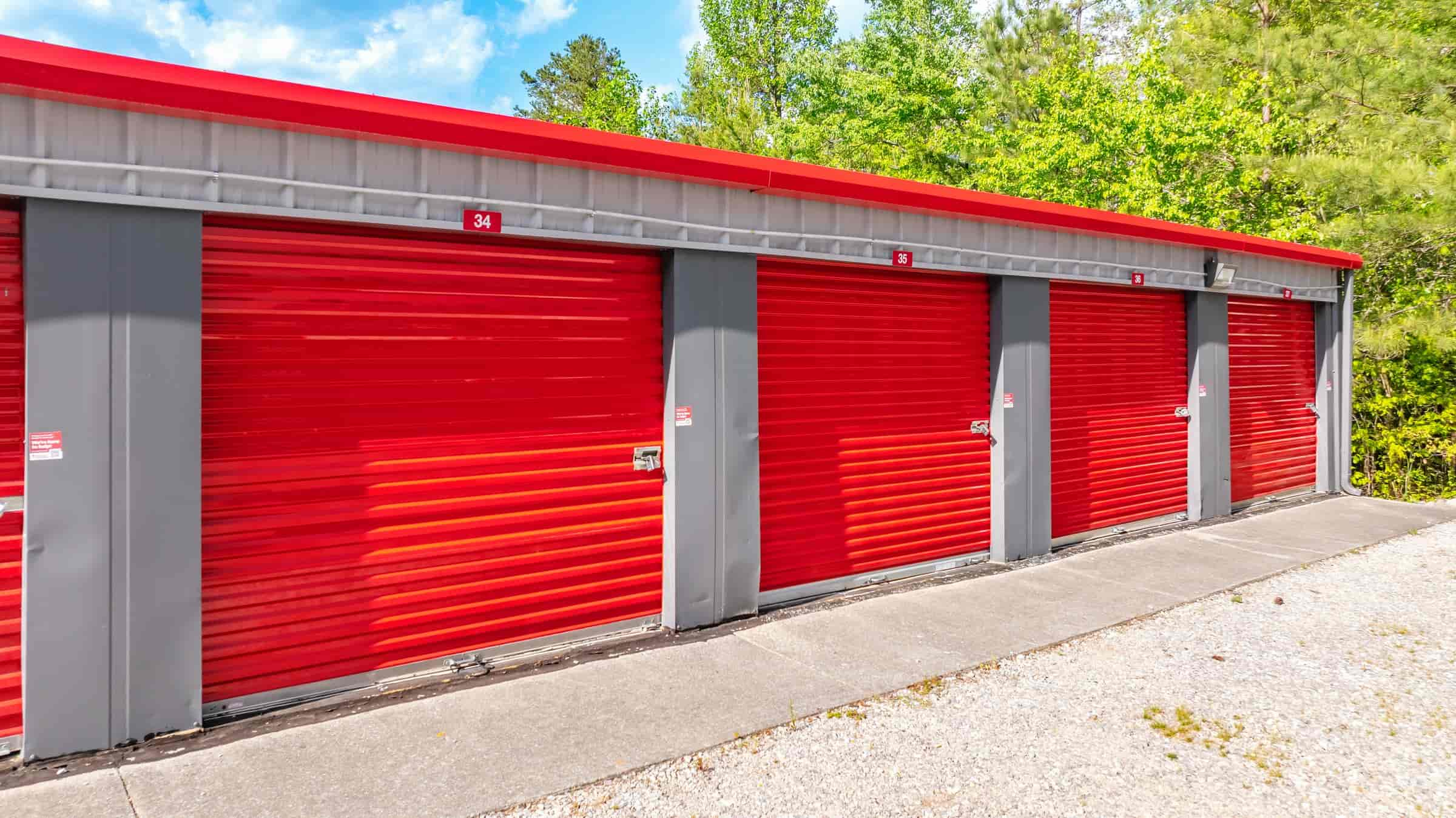
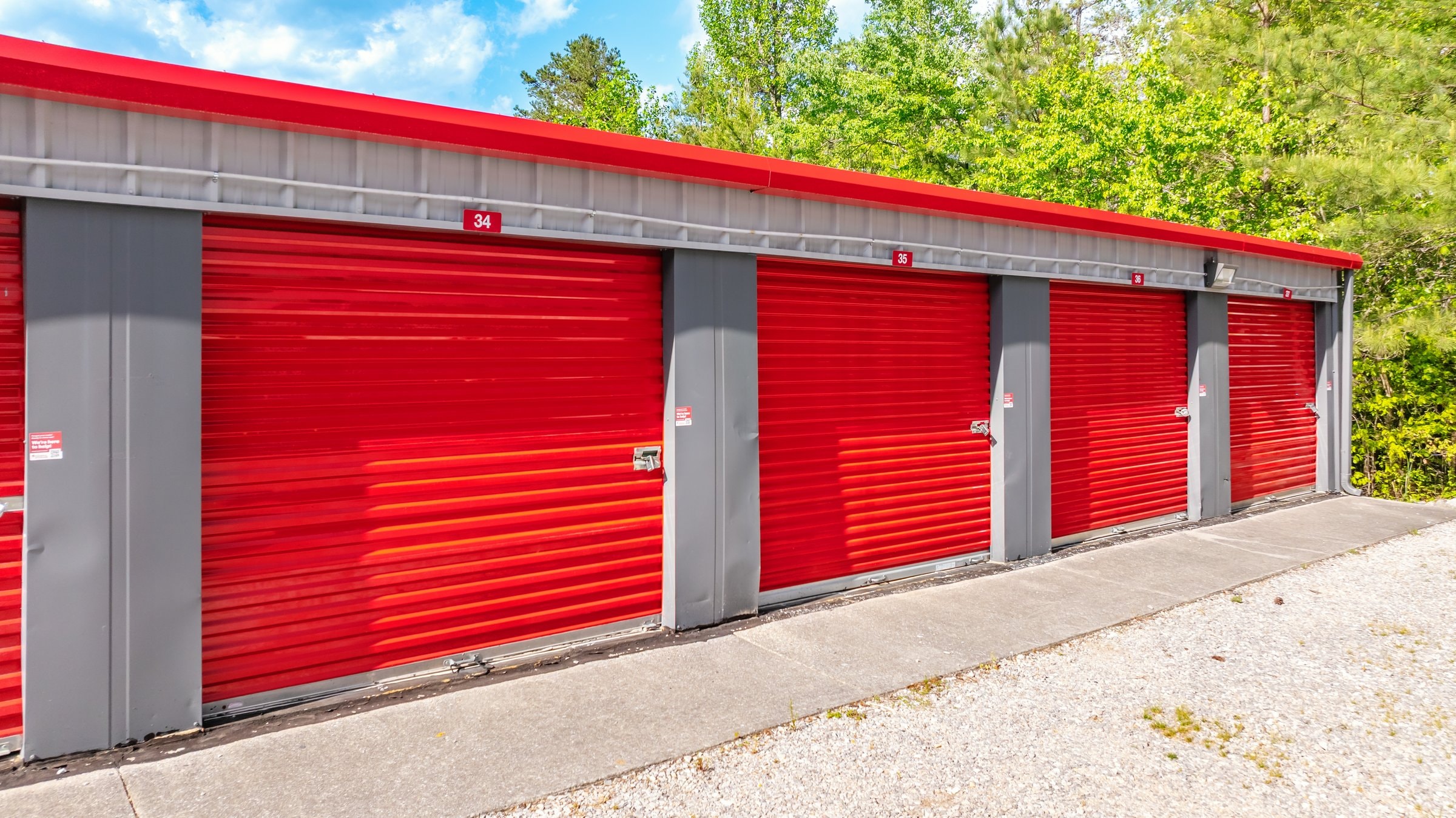
When you need serious space, a 10x30 storage unit is one of the biggest standard sizes you can rent. It’s essentially a one-car garage you don’t have to attach to your house, long, tall, and roomy enough to hold the contents of a large family home, a vehicle and household goods together, or a small business’s entire inventory.
This guide breaks down exactly how big a 10x30 storage unit really is, with real-world comparisons, a clear list of what fits inside, who it’s best for, and tips for getting the most out of every square foot.
Table of Contents
- 10x30 Storage Unit Dimensions at a Glance
- What 300 Square Feet Actually Looks Like
- What Fits in a 10x30 Storage Unit
- What Won’t Fit in a 10x30
- Who Is a 10x30 Storage Unit Best For?
- 10x30 vs. Other Storage Unit Sizes
- 10 Tips for Maximizing a 10x30 Storage Unit
- How Much Does a 10x30 Storage Unit Cost?
- Is a 10x30 Storage Unit Right for You?
- Frequently Asked Questions
10x30 Storage Unit Dimensions at a Glance
If you only have 30 seconds, here are the numbers that matter:
- Width: 10 feet
- Depth: 30 feet
- Floor Space: 300 square feet
- Ceiling Height: Typically 8 feet (some facilities offer 9–10 ft)
- Total Volume: About 2,400 cubic feet
- Typical Monthly Cost: $200–$500 depending on climate control and market
That cubic footage matters more than people think. A 10x30 isn’t just a long rectangle on the floor, it’s a small warehouse, and you can stack contents nearly to the ceiling if you pack smart. The depth is what really sets it apart: at 30 feet long, you’ll want a clear plan for how to load it so you can still reach items in the back.
What 300 Square Feet Actually Looks Like
Square footage is abstract. Here are some everyday spaces that are roughly the same size as a 10x30 storage unit:
- A standard one-car garage, with extra depth to spare
- A bowling lane (which is roughly 10x60, so picture half of one)
- A long, narrow studio apartment
- Two standard parking spaces lined up end to end
- Roughly the floor area of a master bedroom plus its closet
Picture standing at the entrance of a long, deep room where you could comfortably park a full-size SUV and still have ten or more feet of space behind it for boxes, furniture, and equipment. That’s a 10x30.
What Fits in a 10x30 Storage Unit
A 10x30 is built for big jobs. With smart loading, here’s what typically works:
Full Households
- The complete contents of a four- to five-bedroom home
- Multiple living room sets (sofas, sectionals, recliners, coffee tables)
- Several bedroom sets, including king-size mattresses, dressers, and armoires
- Full dining room sets with table, chairs, and china cabinet
- Major appliances: refrigerators, washers, dryers, dishwashers, ovens
- 50–100 medium moving boxes, plus totes and bins
Vehicles and Recreation
- A car, SUV, or work truck (with room left over for household goods)
- Boats and personal watercraft up to about 28 feet
- Motorcycles, ATVs, and jet skis, often multiple at once
- Classic cars in long-term storage
- Trailers (utility, landscaping, or small enclosed)
Business and Specialty Items
- Retail or e-commerce inventory and shelving
- Contractor tools, ladders, and equipment
- Office furniture for an entire small business relocation
- Trade show booths, displays, and marketing materials
- Restaurant equipment and commercial kitchen items
- Pool tables, pianos, and other oversized specialty pieces
- Home gym equipment (treadmills, racks, weight sets)
- Seasonal decor for large properties or commercial use
Rule of thumb: If your move requires a 26-foot moving truck, a 10x30 will likely handle it, with room to spare for items you didn’t even plan to bring.
What Won’t Fit in a 10x30
This is one of the largest standard storage sizes available, but it does have limits:
- Full-size Class A motorhomes or RVs longer than 28–30 feet
- Multiple vehicles parked side by side (the unit is only 10 feet wide)
- Box trucks, large commercial vehicles, or semi cabs
- Anything taller than the ceiling height, usually 8 feet, sometimes more
- The contents of a large estate with multiple oversized collections (you may need two units)
If you need to store multiple vehicles, a larger boat, or a full-size RV, ask about parking spaces or oversized units rather than a standard 10x30.
Who Is a 10x30 Storage Unit Best For?
This size solves big problems, the kind a smaller unit just can’t. The 10x30 is ideal for:
Families Relocating Long-Distance
If you’re moving cross-country and need to stage your belongings between homes, a 10x30 holds the contents of a four- or five-bedroom house without forcing you to split your stuff across two units.
Homeowners Renovating or Building
When your home is under construction for months at a time, a 10x30 lets you clear out entire rooms, or the whole house, and keep everything together, safe and accessible until the project wraps.
Small Business Owners
E-commerce sellers, contractors, event companies, and seasonal businesses use 10x30s as off-site warehouses. There’s room for shelving, inventory, equipment, and a clear aisle for picking and packing.
Vehicle and Equipment Owners
Storing a classic car, boat, motorcycle collection, or work vehicle? A 10x30 gives you room for the vehicle plus tools, parts, and gear, all in one secured space.
Estate and Inheritance Consolidation
When you’re managing a parent’s estate or combining households, a 10x30 buys time to sort through everything without rushing decisions.
Contractors and Tradespeople
Plumbers, electricians, painters, and landscapers use 10x30s to store tools, ladders, materials, trailers, and seasonal equipment all in one place, usually with drive-up access for quick loading.
10x30 vs. Other Storage Unit Sizes
Here’s how a 10x30 stacks up against the sizes most people compare it to, useful if you’re on the fence:
- 5x10 (50 sq ft), Contents of a small bedroom. Fits a queen mattress set, dresser, and boxes.
- 10x10 (100 sq ft), A one- to two-bedroom apartment’s worth of furniture, appliances, and boxes.
- 10x15 (150 sq ft), A two- to three-bedroom home, including larger items like sectionals and dining sets.
- 10x20 (200 sq ft), Roughly a one-car garage. Holds a three- to four-bedroom home or a vehicle plus household items.
- 10x30 (300 sq ft), A four- to five-bedroom home, a vehicle plus full household, or serious business inventory. The largest standard size at most facilities.
Prices and availability vary by facility and market. Check live availability for current rates near you.
10 Tips for Maximizing a 10x30 Storage Unit
The difference between a 10x30 that feels organized and one that becomes a black hole comes down to how you load it. Try these proven strategies:
- Map the unit before you load it. With 30 feet of depth, you need a plan. Sketch out zones, furniture in back, vehicle in the middle, frequently accessed items up front, before the first box goes in.
- Build a center aisle from front to back. Leave at least 24–30 inches down the middle so you can walk all the way to the rear wall without unloading half the unit.
- Use uniform-size boxes. Same-sized boxes stack like bricks. Mismatched sizes leave wasted air and unstable towers.
- Pack heavy items on the bottom. Books, tools, and dense items go down low. Lighter, fragile items go on top.
- Build vertically. Use the full 8 feet of height. A 10x30 packed only chest-high wastes nearly half its capacity.
- Disassemble large furniture. Take apart bed frames, sectional sofas, table legs, and shelving. Flat-packed pieces line walls cleanly and free up the middle of the unit.
- Store mattresses and sofa cushions vertically. Leaning them against the side walls reclaims significant floor space.
- Use shelving along the walls. Freestanding metal shelving turns wall space into organized storage and keeps boxes from being crushed at the bottom of a stack.
- Label boxes on multiple sides. In a deep unit, you won’t always see the front of every box. Labels on top and two sides save serious time later.
- Create an inventory list. With this much space, it’s easy to lose track of what’s where. A simple spreadsheet or even a notes-app list keeps the unit usable, not just full.
How Much Does a 10x30 Storage Unit Cost?
Pricing varies widely based on location, demand, and whether the unit is climate-controlled. As a general range:
- Standard 10x30 (non-climate-controlled): $200–$350 per month
- Climate-controlled 10x30: $300–$500+ per month
Factors that affect price include:
- Local market demand (urban facilities cost more than rural ones)
- Ground floor vs. upper floor access (10x30s are almost always ground floor)
- Drive-up access vs. interior access (drive-up is typical and often preferred for this size)
- Climate control (worth it for electronics, wood furniture, photographs, and anything else humidity-sensitive)
- Time of year (peak moving season, May through August, usually means higher prices and tighter availability)
Because 10x30 units are in shorter supply than smaller sizes, it’s smart to reserve as soon as you know you need one. Always ask about move-in specials, many facilities offer the first month free or a discounted rate for new renters.
Is a 10x30 Storage Unit Right for You?
A 10x30 is the right call if most of these are true:
- You’re storing the contents of a four- or five-bedroom home
- You want to keep a vehicle plus household goods in one space
- You’re running a small business and need a single, sizable storage footprint
- You’d rather pay slightly more for one large unit than juggle two smaller ones
- You want drive-up access for easy loading of heavy or bulky items
If you’re storing the contents of a smaller home or just a few large items, a 10x20 may be a better fit at a lower cost. If you need to fit a Class A RV, multiple vehicles, or an entire estate with oversized collections, look into parking or specialty units instead.
The general rule of thumb: When in doubt, sizing slightly up costs less than the hassle of upgrading mid-rental, especially when you’re already moving a household’s worth of belongings.
Reserve a 10x30 Storage Unit Near You
The 10x30 is the workhorse of self storage, the size people choose when they need real, garage-scale space for a household move, a business, a vehicle, or all three at once. Browse available large storage units, check pricing, and reserve online to lock in current rates before peak season tightens availability.
Frequently Asked Questions
Yes, a 10x30 comfortably fits most cars, SUVs, and work trucks, with significant room left over for boxes, furniture, or equipment. For long-term vehicle storage, ask the facility about specific door dimensions and any restrictions on fuel, batteries, or insurance.
In most cases, yes. A well-packed 10x30 holds a typical four- to five-bedroom home, including furniture, appliances, and boxes. Homes with a lot of oversized pieces (large sectionals, multiple armoires, oversized dining sets, pool tables) may need a 10x30 plus a smaller secondary unit.
Most facilities have 8-foot ceilings, though some have 9 or 10. Always confirm with the specific facility, especially if you’re planning to store anything tall like a vehicle, motorcycle on a lift, or upright equipment.
It depends on what you’re storing. Choose climate control for wood furniture, leather, electronics, photographs, artwork, important documents, musical instruments, and anything else sensitive to humidity or temperature swings. For tools, plastic bins of household items, vehicles, and seasonal equipment, a standard drive-up unit is usually fine.
Most 10x30 units offer drive-up access, you pull right up to the door and load directly. This is one of the biggest advantages of the size, especially when moving furniture, appliances, or a vehicle. Some facilities also offer climate-controlled 10x30s with interior access.
Boats up to about 28 feet often fit, depending on width and trailer height. Most standard 10x30s will not fit a Class A motorhome or any RV longer than about 30 feet. Always measure your specific vehicle (including trailer and any rooftop accessories) and confirm clearance with the facility.
Almost all modern storage facilities rent month-to-month with no long-term commitment. You can usually move out with just a few weeks’ notice, even on a unit this size.
No, 10x30s are less common than smaller sizes, and they tend to fill up quickly during peak moving season. If you need this size, it’s worth checking availability and reserving online as soon as you know your timeline.
Most facilities require some form of coverage on stored items, and with a unit this large, the value of what you’re storing can add up quickly. Your homeowner’s or renter’s insurance may already include off-premises personal property coverage; if not, the facility usually offers an affordable tenant protection plan at sign-up.
About the Author
10 Federal Storage
Our team at 10 Federal Storage has been in the self storage industry for decades. With knowledge gained from multiple universities and in the field, we are well-prepared and excited to assist with your storage needs. When you rent a unit with us, you can feel confident that our seasoned customer service team’s help will make your transition as seamless as possible. Customer satisfaction is our number one priority, and we strive to make your experience exceptional with our automated leasing options, diverse unit sizes, and a strong commitment to sustainability.