
.svg)
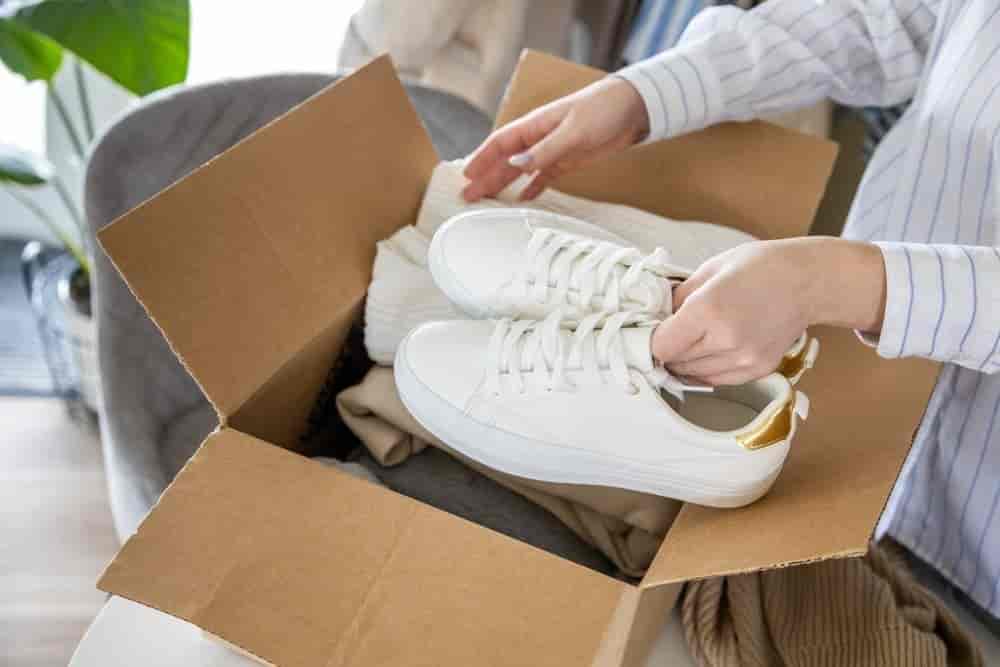
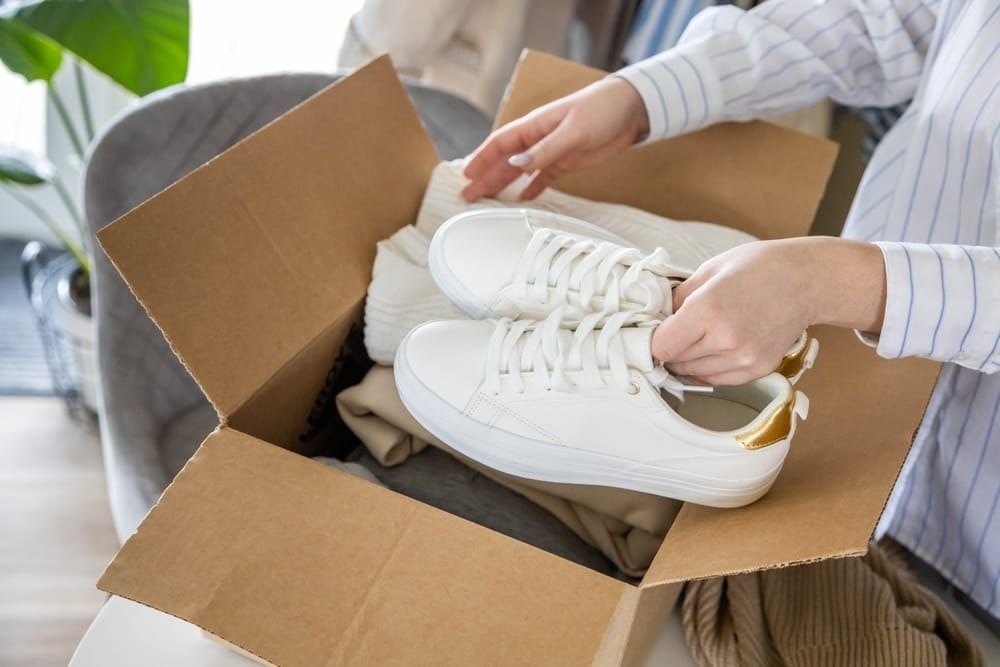
How to Pack Shoes for Moving: A Step-by-Step Guide
by 10 Federal Storage
Published on July 2, 2026
Shoes seem like the easy part of a move, until you open a box at the new place to find scuffed leather, crushed toes, and a pile of singles whose partners are three boxes away. Packed carelessly, shoes scuff, lose their shape, and pick up odor from being sealed up damp. Packed well, they come through clean, paired, and ready to wear on day one.
This guide covers cleaning and sorting first, then the right way to pack everyday shoes, boots, and delicate pairs, plus how to protect the ones that won’t come out of the box right away.
Table of Contents
- What You’ll Need
- Clean and Sort Before You Pack
- How to Pack Everyday Shoes
- How to Pack Boots
- How to Pack Heels and Delicate Pairs
- Labeling and Loading
- Common Mistakes to Avoid
- Storing Shoes You Won’t Wear Right Away
- Frequently Asked Questions
What You’ll Need
A few simple supplies keep shoes from knocking around and scuffing each other in transit.
- Original shoe boxes if you kept them, or small to medium moving boxes.
- Clean packing paper or acid-free tissue for wrapping and stuffing.
- Bubble wrap for heels and delicate pairs.
- Old socks or plastic bags for stuffing toes and shafts.
- Packing tape and a permanent marker.
Clean and Sort Before You Pack
Five minutes of prep prevents the two things that ruin packed shoes: trapped moisture and lost pairs.
- Wipe off dirt and let damp shoes dry completely. A pair sealed in a box while still damp invites mildew and odor by the time you unpack.
- Sort by season and how soon you’ll need them so the pairs you want first aren’t buried at the bottom.
- Declutter as you go. A move is the easiest moment to set aside pairs you no longer wear for donation.
How to Pack Everyday Shoes
Everyday shoes are forgiving, but a little structure keeps them looking sharp.
- Stuff each shoe with paper or a balled-up sock to help it hold its shape.
- Wrap each shoe, or each pair together, in packing paper so buckles and soles can’t scuff their neighbors.
- Keep pairs together, heavier shoes on the bottom and lighter ones on top.
- Don’t overfill. Shoes crush under their own weight when a box is packed too tight.
How to Pack Boots
Tall boots are the pair most likely to arrive creased. The fix is support: stuff the shafts with rolled paper so they stand upright instead of folding over on themselves. Wrap each boot, pack them standing up where the box allows, and keep them near the bottom, boots are heavy and will crush lighter shoes stacked beneath them.
How to Pack Heels and Delicate Pairs
Heels and fine leather need the most care, thin heel tips snap and soft uppers scuff.
- Bubble-wrap heels individually, paying attention to the heel tip and toe.
- Wrap leather and suede in acid-free tissue rather than sealing them in plastic, which traps moisture against the material.
- Pack delicate pairs near the top of the box, snug enough that nothing shifts in transit.
Labeling and Loading
A little labeling saves you from digging through every box on day one.
- Mark each box with its contents and the season, so the pairs you need surface first.
- Add FRAGILE to any box holding heels or fine leather.
- When loading the truck, shoe boxes ride on top of heavier boxes and furniture, never underneath them.
Common Mistakes to Avoid
- Packing shoes damp or dirty. The fastest route to odor and mildew.
- Dumping shoes in loose. They scuff each other and pairs get separated.
- Skipping the stuffing on boots and structured shoes, so they lose their shape.
- Crushing delicate pairs under heavier shoes.
- Sealing leather or suede in plastic for the long haul, trapping moisture against the material.
Storing Shoes You Won’t Wear Right Away
Not every pair earns closet space the moment you arrive. Winter boots in July, sandals in January, and the overflow from a collection you’re not ready to thin out all sit better out of the way until their season comes back around.
A 10 Federal Storage unit is a clean place to rotate off-season shoes through, and a climate-controlled unit keeps leather and suede out of the heat and humidity that dry, crack, and warp them. When the season turns, the pairs you want are wrapped, paired, and ready.
Need a Spot for the Shoes You’re Not Wearing Yet?
Off-season pairs and collection overflow don’t need to crowd your new closet. Whether you’re rotating seasonal shoes or bridging the gap between move-out and move-in, 10 Federal Storage offers clean, secure, climate-controlled units to keep them protected. Browse available sizes, check pricing, and reserve online to lock in current rates.
Frequently Asked Questions
Clean and dry each pair first, stuff them to hold their shape, and wrap each shoe or pair in paper so they can’t scuff each other. Keep heavier shoes on the bottom and delicate pairs on top, and don’t pack the box so tight that the shoes crush.
If you kept them, original boxes are ideal, they’re sized right and stack neatly. If not, wrap each pair and group them in a small or medium moving box.
Stuff the shafts with rolled packing paper so tall boots stand upright instead of folding and creasing. Wrap them, pack them standing where you can, and keep them low in the box since they’re heavy.
You can, but keep them separated. Wrap the shoes so soles and buckles don’t transfer dirt or snag fabric, and use clothing as padding around, not directly against, the shoes.
Make sure every pair is fully dry before it goes in the box, since trapped moisture is what causes odor. Stuffing the shoes with paper also helps absorb any residual dampness.
About the Author
10 Federal Storage
Our team at 10 Federal Storage has been in the self storage industry for decades. With knowledge gained from multiple universities and in the field, we are well-prepared and excited to assist with your storage needs. When you rent a unit with us, you can feel confident that our seasoned customer service team’s help will make your transition as seamless as possible. Customer satisfaction is our number one priority, and we strive to make your experience exceptional with our automated leasing options, diverse unit sizes, and a strong commitment to sustainability.