.svg)
10 Federal Storage Management
Third-Party Self Storage Management
You keep ownership. We take over operations, revenue management, marketing, customer service, and reporting — and run your facility on the same automated platform we use for our own portfolio.
Request Your Free Property Analysis
Custom projections on your actual facility — no cost, no obligation.
Most self storage management companies run facilities the same way they did in 2005: on-site managers, manual pricing, paper-based leasing, and reactive collections. The overhead is high, the inconsistency is real, and the NOI ceiling is low.
10 Federal built its platform to remove those constraints entirely. We run facilities remotely — with no on-site staff for routine operations — using the same technology stack that powers our own self-owned portfolio. The result is a lower cost structure, better pricing discipline, and faster tenant response than traditional staffed models can deliver.
This page covers exactly how that works, what results it has produced for owner-partners, and what questions to ask before signing with any management company.
On This Page
- 1. What Third-Party Management Is
- 2. The Automated Operating Model
- 3. How the Model Changes the Economics
- 4. What We Manage on Your Behalf
- 5. The Technology Behind It
- 6. In-House Development & Construction Management
- 7. Who We Partner With
- 8. The Transition Process
- 9. Reporting and Owner Transparency
- 10. Real Stores, Real Results
- 11. The Team Behind Your Property
- 12. Why Our Interests Align With Yours
- 13. No Slogans, Straight Talk
- 14. Questions to Ask Any Management Company
- 15. How Management Fees Work
- 16. Your Free Property Analysis
- 17. What Our Partners Say
- 18. FAQ
What Third-Party Management Is
Third-party self storage management is an arrangement where an outside operator takes over the day-to-day running of your facility while you retain full ownership. The management company handles everything from pricing and marketing to tenant communications, collections, and vendor coordination.
Unlike a franchise or joint venture, there is no ownership transfer. You keep title and financial interest in the asset; you pay the operator a management fee and receive the net proceeds.
Owners typically seek third-party management because they want one or more of the following:
- Higher NOI without adding internal headcount
- Auditable, consistent reporting they can show to lenders or investors
- Less day-to-day operational involvement
- A proven operator to maximize asset value before a sale
- A scalable partner who can absorb portfolio growth
The Automated Operating Model
10 Federal operates facilities remotely — without on-site staff for routine operations. Digital leasing, automated access, dynamic pricing, and tenant self-service cover everything a traditional staffed office handled. Off-site oversight handles everything else.
This is not a cost-cutting measure applied reluctantly to mature assets. It is the original design. 10 Federal built this model for its own portfolio and applies it to managed facilities on the same terms.
The practical difference versus a staffed model:
| Function | Traditional staffed | 10 Federal automated |
|---|---|---|
| Leasing | In-person or phone, office hours only | Digital, 24/7, ~30 seconds |
| Pricing | Manual reviews, infrequent | Automated, real-time, competitive |
| Collections | Staff-driven, inconsistent | Automated sequences, lien-compliant |
| Access control | Keypad or staff-managed | Text-to-open / scan-to-open |
| Tenant support | Office hours, callbacks | Digital self-service, always on |
| Reporting | Monthly PDF, limited detail | Real-time dashboard + monthly report |
| Staffing cost | Per-facility manager(s) | Shared remote team, no site staff |
| Scaling | New hire per site | Platform absorbs new sites |
| Consistency | Manager-dependent | System-enforced |
| Speed to go-live | Hire, train, open | Systems configured, go-live |
| After-hours incidents | On-call or unaddressed | Monitored, remote-resolved |
The Short Version
On a traditional staffed model, the management company's overhead comes out of your NOI. On the 10 Federal model, a shared remote team and automated systems serve the portfolio — the cost structure is fundamentally different, and the margin goes to the owner, not to the payroll.
How the Model Changes the Economics
The staffing cost differential is significant, but it is not the only place the automated model improves the P&L. Consistent dynamic pricing captures rate opportunities that manual pricing misses. Automated collections reduce delinquency drag. Digital marketing and 24/7 leasing shorten vacancy cycles.
To illustrate the magnitude: on a 500-unit facility generating $60,000/month in gross revenue at a 6% capitalization rate, a 10% NOI improvement would add approximately $120,000 in implied asset value per 100 basis points of cap compression — before the revenue line itself moves. Facilities that move from significant underperformance to stabilized operations can see value improvements measured in multiples of that.
Where else the model shows up in the P&L:
- Staffing: shared remote team versus dedicated per-facility hires
- Revenue: dynamic pricing captures rate upside that manual reviews leave on the table
- Collections: automated sequences reduce delinquency and auction write-offs
- Vacancy: 24/7 digital leasing fills units faster than office-hours-only operations
- Vendor: centralized vendor relationships and oversight reduce maintenance costs
What We Manage on Your Behalf
| Function | What it includes |
|---|---|
| Revenue Management | Dynamic pricing, rate strategy, yield optimization |
| Marketing | SEO, SEM, listing platforms, reputation management |
| Customer Support | 24/7 digital leasing, tenant communications, dispute resolution |
| Leasing | Online move-ins, lease execution, unit assignment |
| Collections | Automated payment recovery, lien process management |
| Property Operations | Facility monitoring, access systems, security oversight |
| Maintenance & Vendor | Preventive maintenance scheduling, vendor management |
| Accounting | Revenue reporting, expense tracking, owner distributions |
| Business Intelligence | Real-time dashboards, market benchmarks, KPI reporting |
| Compliance | State lien law compliance, auction management, regulatory adherence |
The Technology Behind It
The platform is proprietary — built by 10 Federal for its own portfolio and made available to managed facilities. Every tool listed below runs on the same system as 10 Federal's self-owned stores.
30-Second Rentals
Fully digital move-ins — no staff, no paperwork. Tenants rent, sign, and access in under a minute.
Text-to-Open / Scan-to-Open
Keyless facility access via SMS or QR code. No keypads, no kiosk queues.
Dynamic Pricing
Real-time rate adjustments based on occupancy, demand, and competitive signals — maximizing revenue without manual intervention.
Rental Recovery
Automated delinquency sequences and collections workflows that recover revenue without human follow-up.
Tenant Self-Service
Pay, transfer, vacate, or update contact info — available 24/7 through tenant portals.
Owner Reporting
Real-time dashboards and monthly reports with NOI analysis, occupancy trends, and competitive benchmarks.
In-House Development & Construction Management
10 Federal offers development and construction management as a service to owner-partners considering expansion, ground-up development, or major capital improvements. We act as fee developer and construction manager — not general contractor.
Construction is competitively bid to qualified general contractors. 10 Federal manages the process: planning, permitting, contractor selection, construction oversight, budget management, and handoff to operations.
- Ground-up development and entitlement management
- Expansion and conversion projects (retail-to-storage, industrial-to-storage)
- Capital improvement planning aligned to management strategy
- Contractor vetting, bidding, and scope management
- Budget oversight and draw management
- Construction-to-operations transition
Who We Partner With
Funds & Institutional Investors
Portfolio oversight at scale with consistent reporting and NOI optimization across multiple assets.
Portfolio Owners
Multi-site management with centralized operations, unified reporting, and cross-portfolio pricing strategy.
Family Offices
Long-term asset stewardship with transparent reporting and proactive management — without the operating burden.
Developers / Lease-Ups
Aggressive lease-up strategies and systems setup for newly built or recently expanded facilities.
Secondary & Rural Markets
The automated model removes the staffing constraint, making remote and smaller markets operationally viable.
Underperforming Assets
Turnaround focus: correct pricing, improve marketing, implement collections discipline, and drive NOI recovery.
The Transition Process
Assessment
Review financials, rent roll, market, physical condition, and current systems.
Kickoff
Management agreement executed. Onboarding team assigned.
Rent Roll Audit
Verify units, rates, and tenant data. Correct discrepancies before system migration.
Systems Setup
Migrate to 10 Federal's platform. Configure access, pricing, and marketing.
Go-Live
Facility goes live on the automated platform. Transition communications sent to tenants.
Ongoing
Continuous monitoring, weekly pricing reviews, monthly owner reporting.
Why This Is More Than Logistics
The transition is also the period when we identify the biggest revenue opportunities in your facility — mispriced units, uncollected delinquency, underperforming marketing channels. What we find in the rent roll audit frequently shapes the first six months of operational focus.
Reporting and Owner Transparency
Ownership without visibility is just risk. 10 Federal provides real-time dashboards and structured monthly reporting so you always know what is happening at your facility.
What You Receive
- Real-time dashboard access — occupancy, revenue, and collections at any moment
- Monthly performance reports with NOI analysis and variance commentary
- Occupancy and revenue trend data versus prior periods and plan
- Competitive market benchmarks for your submarket
- Collections aging report and lien process status
- Maintenance and vendor summary with cost tracking
How the Relationship Runs
Monthly review calls are standard. Operational decisions within scope are made by 10 Federal; decisions outside scope (capital expenditure above threshold, sale of the asset, major lease modifications) involve the owner. You remain the decision-maker on your asset; we are the operator.
Real Stores, Real Results
Results vary by property, market, starting condition, and time period — not a guarantee of future performance.
Multi-site portfolio
Switched from another third-party operator
Several underperforming stores coming off inconsistent operations.
FY2024 baseline → Jul 2025–Jun 2026
Single-site
Switched from owner-operator
Under-managed owner-operated facility converted to automated remote operation.
Seller T-12 → TTM May 2025–Apr 2026
Single-site
Switched from owner-operator
Recently built facility that turned NOI positive within months of platform onboarding.
At takeover (Nov 2025) → Current (May 2026)
The Team Behind Your Property
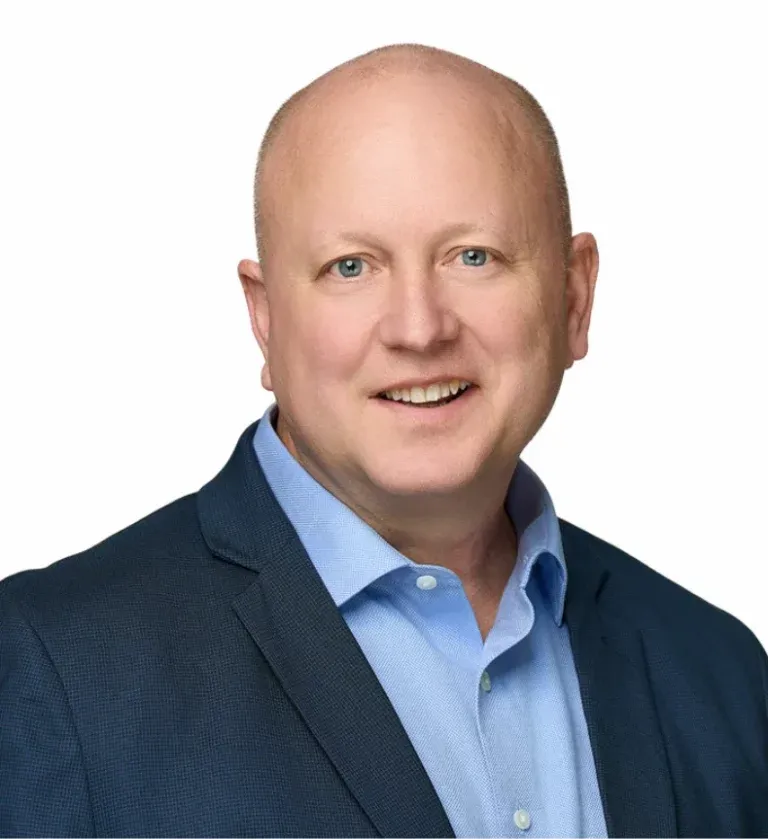
Jack Sparks
VP Operations
Jack manages day-to-day operations across the managed portfolio, including systems, vendor relationships, and facility performance.
Mike Kotlick
Director of Operations
Mike drives field performance across a multi-state self-storage portfolio, partnering with District Managers and Property Operations Technicians to strengthen execution at the property level.
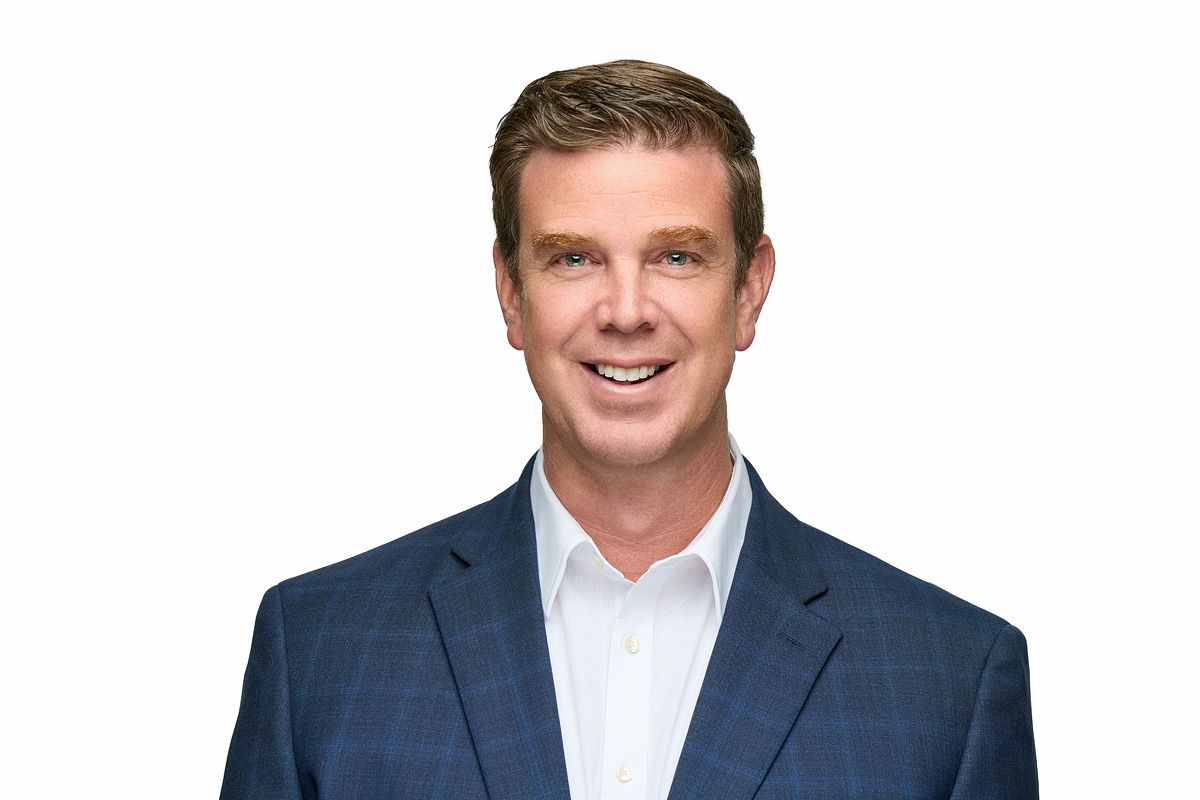
Daniel Williams
Director of Strategic Partnerships
Daniel leads business development for third-party management, working directly with owners, funds, and institutional partners considering the platform.
Why Our Interests Align With Yours
10 Federal manages its own portfolio on the same platform it uses for owner-partners. That means when we improve our management approach, our own assets benefit or suffer alongside yours. We are not testing methodology on client facilities while protecting our own stores from risk.
Management fee structures tied to gross collected revenue create further alignment: when revenue improves, we share in it; when it falls, our fee falls with it. We have an active financial interest in the performance of every facility we manage.
10 Federal Storage has received industry recognition from Inside Self-Storage (ISS) for its operational model. We view recognition as a consequence of results, not an end in itself — but we mention it because it reflects external validation from an industry-specific audience.
No Slogans, Straight Talk
Most management companies will tell you they maximize NOI. Most will say they use technology. Most will say they are transparent. The difference is in the specifics: which systems, what pricing methodology, how reporting is structured, what the fee covers, what the contract terms are.
We do not claim to be the right fit for every facility. The automated model performs best in markets where digital leasing adoption is sufficient, where the facility can be operated without on-site staff, and where the owner wants consistent reporting over a close personal relationship with a local manager.
If those conditions fit your situation, this is worth a conversation. If they do not, we will tell you that too.
Questions to Ask Any Management Company
Before signing with any third-party operator, ask these questions and evaluate the specificity of the answers:
- 1.How is your management fee structured — gross revenue, net, or fixed?
- 2.What software platform do you use, and do you own it or license it?
- 3.How do you handle delinquency and lien proceedings?
- 4.What does owner reporting look like, and how often do I receive it?
- 5.Do you have full-time employees at each facility, or is it remote-managed?
- 6.What markets do you operate in, and how many facilities are under management?
- 7.Can I speak with current owner-partners as references?
- 8.What are the contract terms — minimum duration, termination, and transition?
- 9.How do you set and adjust rental rates?
- 10.What is your track record on lease-ups and turnarounds?
How Management Fees Work
10 Federal charges a percentage of gross collected revenue. This is the industry standard structure, and it aligns the management company's income with actual performance — fees only grow when revenue grows.
We do not publish a specific percentage because the right fee depends on the facility's size, condition, current performance, market, and scope of services required. A single-site owner and an institutional portfolio owner with 30 assets have meaningfully different needs and structures.
The free property analysis includes a custom proposal with a specific management fee and a projection of what the facility can realistically achieve under management.
No cost. No obligation.
Your Free Property Analysis
We review your facility — current occupancy, revenue, market position, and operating structure — and provide custom projections showing what it can achieve under the 10 Federal platform. No generic estimates; real numbers based on your actual facility. Includes a management fee proposal and a working call with the management team.
Request your free analysisWhat Our Partners Say
“10 Federal took over a portfolio that needed real operational discipline. What they built — the pricing methodology, the reporting structure, the collections consistency — is what every self storage operator should be doing but most are not.”